What Is Red Light Therapy? A Beginner's Guide
Everything you need to know about red light therapy: how it works, what the research says, and how to get started at home.
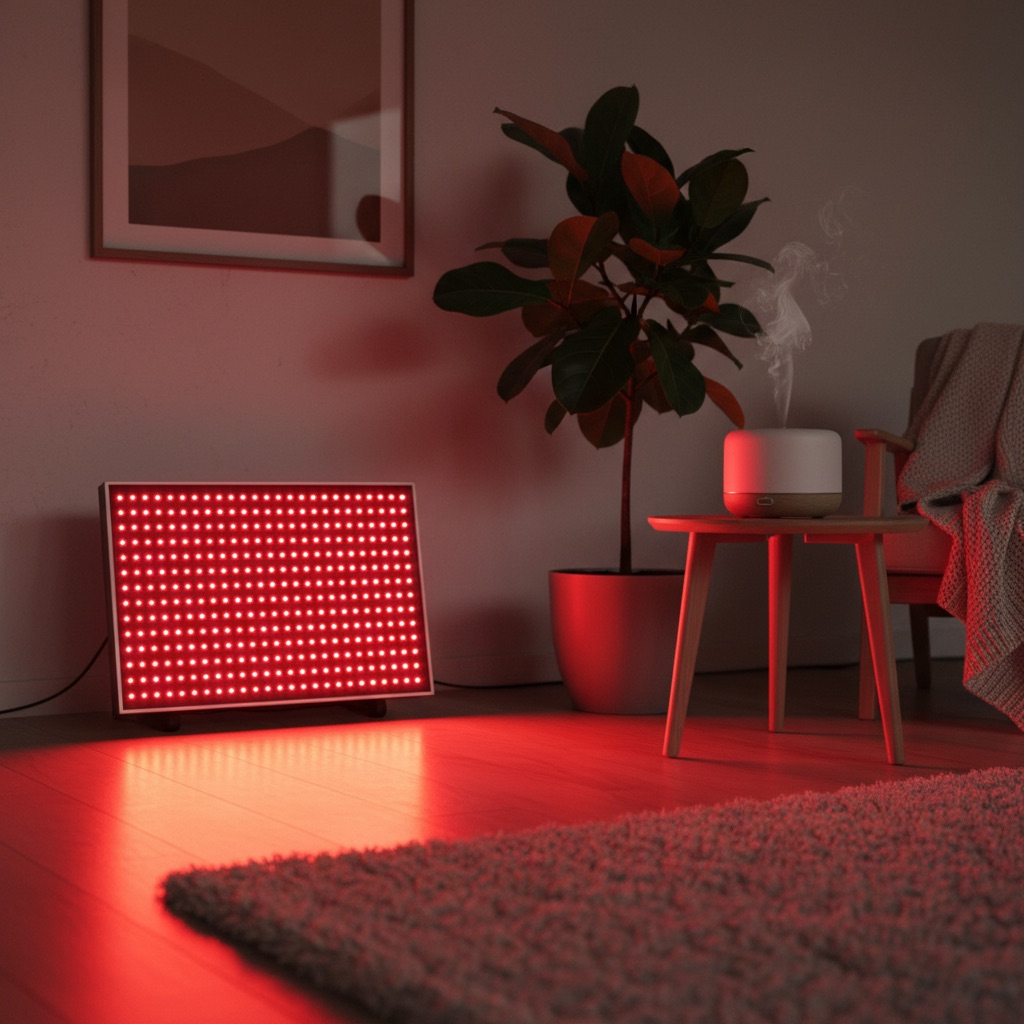
Red light therapy uses specific wavelengths of visible red and near-infrared light to support cellular function. You stand or sit in front of an LED panel for 10 to 20 minutes, and the light penetrates your skin to reach the cells underneath. No UV, no heat lamps, no tanning beds. Just targeted wavelengths that your body can actually use.
The concept sounds almost too simple, which is probably why it took decades to move from clinical research labs into home devices. But the underlying mechanism is well-documented, and the range of potential applications keeps growing as more studies are published.
This guide covers how it works, what the research says, and how to get started at home without overcomplicating things.
If you already know the basics and want to jump straight to product recommendations, head to our Best Red Light Therapy Panels 2026 review. Otherwise, read on for the full overview.
A Brief History
Red light therapy is not new. NASA began researching LED light for plant growth in space during the 1990s and noticed that wounds on researchers’ hands healed faster under the lights. This led to formal studies on photobiomodulation for wound healing and tissue repair.
By the early 2000s, clinical devices were being used in dermatology offices, physical therapy clinics, and sports medicine facilities. The technology was effective but expensive, with professional panels costing thousands of dollars.
The shift to consumer devices started around 2015-2018 as LED manufacturing costs dropped. Today, you can get a capable home panel for a few hundred dollars. The underlying technology is the same as what clinics use, just packaged differently.
What changed most was accessibility. You no longer need to book an appointment or pay per session. A home panel pays for itself in months compared to clinic visits, and you can use it on your own schedule.
How Red Light Therapy Works
Red light therapy is a form of photobiomodulation (PBM). That term simply means “using light to change biological processes.” Here is the basic chain of events.
The wavelengths that matter:
- Red light (630-670nm): Penetrates roughly 2-3mm into the skin. Primarily affects skin cells, surface-level tissue, and superficial blood vessels.
- Near-infrared light (810-850nm): Invisible to the eye. Penetrates deeper, reaching muscles, joints, tendons, and even bone tissue at depths of up to 30-40mm.
Most quality panels combine both ranges. This dual-wavelength approach lets you target both surface and deep tissue in a single session.
What happens inside your cells:
- Photons from the red and near-infrared light reach your mitochondria, the energy-producing structures inside every cell.
- The light is absorbed by an enzyme called cytochrome c oxidase (CCO), which sits on the mitochondrial membrane.
- This absorption releases nitric oxide that was previously blocking the enzyme, allowing it to function more efficiently.
- With CCO working better, your mitochondria produce more adenosine triphosphate (ATP), the molecule your cells use as fuel.
- More ATP means your cells have more energy for repair, regeneration, and normal function.
Think of it this way: your mitochondria are engines, and red light therapy helps remove a bottleneck in the fuel line. The engine was already capable, it just runs more smoothly with the obstruction cleared.
Beyond ATP production, red light therapy also appears to:
- Reduce oxidative stress by lowering reactive oxygen species (ROS) in cells
- Modulate inflammation through effects on cytokines and other signaling molecules
- Improve blood flow by stimulating nitric oxide release in blood vessels
- Support collagen production in skin cells
What the Research Shows
Red light therapy has been studied in hundreds of clinical trials across a range of conditions. The quality of this research varies, and larger, more rigorous trials are still needed for many applications. That said, several areas show consistent and promising results.
Joint and muscle recovery:
Multiple studies suggest that red and near-infrared light can reduce delayed onset muscle soreness (DOMS) and accelerate recovery after exercise. A 2012 meta-analysis in the journal Lasers in Medical Science reviewed 13 randomized controlled trials and concluded that phototherapy applied before exercise significantly reduces muscle damage markers and soreness.
Research also indicates benefits for joint pain. Studies on knee osteoarthritis have shown improvements in pain scores and functional ability with consistent red light treatment over several weeks. The effect appears to be cumulative, meaning regular sessions over time produce better outcomes than occasional use.
Skin health:
Research on skin applications is among the most developed. Studies indicate that red light therapy can stimulate collagen production, improve skin texture, and reduce the appearance of fine lines. A 2014 study published in Photomedicine and Laser Surgery found significant improvements in skin complexion, skin feeling, and collagen density after 30 sessions of red light exposure.
Wound healing is another well-studied area. Red and near-infrared light appear to accelerate the healing process by promoting cell proliferation and reducing inflammation at the wound site.
Inflammation:
Chronic, low-grade inflammation is a factor in many health conditions. Research suggests that red light therapy modulates inflammatory pathways, potentially reducing systemic inflammation over time. This is one reason it shows up in studies on conditions as varied as joint pain, skin disorders, and oral health.
Sleep and circadian rhythm:
A small but interesting body of research suggests that red light exposure in the evening may support melatonin production and improve sleep quality. Unlike blue light from screens, red wavelengths do not suppress melatonin. Some studies indicate they may actually enhance it, though this research is still in early stages.
Hair growth:
An area receiving increasing attention. Several studies suggest that red light at 650-670nm can stimulate hair follicles and promote thicker growth in people experiencing androgenetic alopecia (pattern hair loss). FDA-cleared laser caps and helmets already exist for this purpose, and some panel users report similar benefits by targeting the scalp during sessions.
Important context: Most studies use clinical-grade devices with known irradiance levels. Results from these studies do not automatically apply to every consumer device on the market. The quality, power output, and wavelength accuracy of your panel matters.
Who Should Consider Red Light Therapy
Red light therapy is not a cure-all, and it works best as part of a broader recovery or wellness routine. That said, several groups tend to benefit most.
Athletes and active people: If you train regularly, red light therapy can support faster recovery between sessions. Using it before exercise may help pre-condition muscles, while post-exercise sessions may reduce soreness and inflammation.
People dealing with joint stiffness or pain: Research on conditions like knee osteoarthritis and general joint discomfort shows consistent improvements with regular use. It will not replace medical treatment for serious joint conditions, but it can be a useful addition.
Those interested in skin health: Whether your concern is signs of aging, uneven skin tone, or slow-healing blemishes, red light therapy offers a non-invasive approach that research supports for collagen stimulation and skin repair.
General wellness and recovery: Even if you do not have a specific condition, many people use red light therapy as daily maintenance. Think of it like stretching or foam rolling, not urgent, but beneficial over time.
Who should talk to a doctor first:
- People taking photosensitizing medications (certain antibiotics, retinoids, NSAIDs)
- Anyone with active cancer or a history of certain cancers (the research here is complex and evolving)
- People with epilepsy or seizure disorders (some devices use pulsing modes)
- Pregnant women (not because of known risks, but because of limited research)
If you are unsure, a quick conversation with your doctor is always worthwhile before starting. Red light therapy is generally very well-tolerated, but it is always better to check than to assume.
Getting Started at Home
One of the best things about red light therapy is the simplicity. There is no complicated setup, no consumables, and no steep learning curve. Here are the practical details.
Session length:
- Targeted treatment (one body area like your face, a knee, or your lower back): 10 minutes per area
- Full body treatment (standing in front of a large panel): 15-20 minutes per side
- Start with shorter sessions (5-8 minutes) for your first week and build up gradually
Distance from the panel:
- 6-8 inches for surface-level benefits (skin, superficial tissue)
- 12-18 inches for deeper penetration (joints, muscles)
- The further you stand, the lower the irradiance reaching your skin. Most manufacturers publish recommended distances.
Consistency matters more than session length:
This is the most important point for beginners. Red light therapy works through cumulative effects over time. A 10-minute daily session will produce better results than a 30-minute session done once a week. Aim for at least 4-5 sessions per week.
Most people report noticing changes after 4-8 weeks of consistent use. Skin improvements often appear earlier. Joint and recovery benefits may take longer.
Morning vs. evening:
There is no strict rule here. Some people prefer morning sessions as part of a wake-up routine, since red light exposure may help with alertness and circadian alignment. Others use it in the evening for relaxation and potential sleep benefits.
Avoid using red light therapy immediately after intense exercise if your goal is to preserve the inflammatory response that drives adaptation. A gap of 3-4 hours is generally recommended, though this is a nuanced topic in the research.
Bare skin is best:
Red and near-infrared light does not penetrate clothing effectively. For the best results, expose the target area directly. Eye protection is generally not required for quality LED panels (unlike laser devices), but if the brightness bothers you, closing your eyes or using light-blocking goggles is fine.
Setting up your space:
You do not need a dedicated room, but a few practical considerations help. Mount your panel on a door hook or wall mount at the height of the body area you want to treat most often. Make sure you can stand comfortably at the right distance without hunching or straining. Some people set a timer on their phone and use the session as a brief meditation or stretching opportunity. The key is making it easy enough that you will actually do it every day.
What to Look for in a Device
Not all red light panels are created equal. Here are the specifications that actually matter when comparing devices.
Wavelength range:
Look for devices that offer both red (typically 630-660nm) and near-infrared (810-850nm) wavelengths. Dual-wavelength panels give you the most versatility. Some advanced panels offer five or more wavelengths, which can be useful but is not strictly necessary for most people.
Irradiance (mW/cm2):
This measures how much light energy reaches your skin at a given distance. Higher irradiance means shorter treatment times and deeper penetration. Look for at least 100 mW/cm2 at 6 inches. Premium panels deliver 150-200+ mW/cm2. Be cautious of brands that do not publish third-party irradiance data.
Treatment area:
A small tabletop panel works for targeted treatments (face, one joint). A half-body panel covers your torso. Full-body panels or stackable modular systems are ideal if you want comprehensive coverage without repositioning.
Consider what you will actually use it for. A smaller panel used consistently is better than a large panel that collects dust because it is too cumbersome to set up.
Build quality and warranty:
LED panels should last for years. Look for devices with at least a 2-year warranty and responsive customer support. Check whether the LEDs are rated for 50,000+ hours of operation.
EMF emissions:
Some panels emit measurable electromagnetic fields at close range. If this concerns you, look for brands that publish third-party EMF testing results. Low or zero EMF at treatment distance (6 inches) is the standard you want.
Price vs. value:
Prices range from under $100 to over $3,000. Very cheap panels (under $150) often cut corners on LED quality, wavelength accuracy, or irradiance output. You do not need the most expensive device, but the $400-800 range tends to offer the best balance of performance and cost for a mid-size panel. Think of it as a long-term investment. A well-made panel used daily for three years costs less than a dollar per session.
Pulsed vs. continuous mode:
Some panels offer pulsed wave modes, where the LEDs flicker on and off at specific frequencies (measured in Hz). Certain research protocols use pulsed modes for brain health and neurological applications. For general wellness, skin, and muscle recovery, continuous mode is the standard and what most studies use. Pulsed mode is a nice bonus but should not be a deciding factor for most buyers.
For a detailed comparison of the top panels, see our Best Red Light Therapy Panels 2026 review.
Our Top Picks for Beginners
If you are new to red light therapy, two devices stand out as strong starting points.
MitoPRO+ Series - Best Overall
The Mito Red MitoPRO+ is our top recommendation for most people. It concentrates output on four of the most studied wavelengths (630nm, 660nm, 830nm and 850nm), and Mito Red publishes both consumer-meter and professional spectroradiometer irradiance figures alongside third-party EMF testing. That level of transparency is more than many competitors can claim.
The entry-level MitoPRO 300+ panel starts at $369, making it accessible without compromising on performance. The mid-size 1000+ ($869) covers the torso, and the full-body 1500+ ($1,169) measures 12 by 36 inches. The included remote can operate several units at once if you expand to a multi-panel setup later.
NovaaLab Pad - Best Budget Entry Point
If you want to try red light therapy without a significant upfront investment, the NovaaLab Pad is a solid starting point at around $350. It is a flexible pad rather than a rigid panel, which makes it easy to wrap around joints, drape over shoulders, or lay across your back.
The trade-off is lower irradiance and a smaller treatment area compared to panel-style devices. But for targeted use on specific body parts, it is a practical and affordable way to experience the benefits firsthand.
Frequently Asked Questions
Is red light therapy safe?
Yes, for the vast majority of people. Red light therapy uses non-ionizing light, meaning it does not carry the DNA damage risks associated with UV or X-ray radiation. Side effects are extremely rare and typically limited to mild, temporary skin warmth. The main precautions apply to people on photosensitizing medications and those with specific medical conditions (see the “Who should talk to a doctor first” section above).
How long does it take to see results?
This depends on what you are using it for. Skin improvements (tone, texture, reduced redness) often become noticeable within 4-6 weeks of consistent daily use. Joint pain and muscle recovery benefits may take 6-8 weeks to become clearly apparent. Some people report improved sleep and mood within the first 1-2 weeks, but these effects are more subtle and subjective.
Can I use it every day?
Yes. Daily use is actually recommended for best results. Most research protocols use daily or near-daily sessions. There is no evidence that daily sessions at recommended durations (10-20 minutes) cause any harm. If you are new, start with shorter sessions and build up over your first week or two.
Does red light therapy work through clothing?
Not effectively. Regular clothing blocks most of the beneficial wavelengths before they reach your skin. For the best results, always expose the treatment area directly. Thin, sheer fabric may allow some light through, but it significantly reduces the dose reaching your cells. Treat it like sunscreen in reverse: remove the barrier for maximum benefit.
Is red light therapy the same as infrared sauna?
No. They are different modalities that work through different mechanisms. Infrared saunas use far-infrared wavelengths (typically 3,000-10,000nm) primarily to generate heat deep in your tissues. Red light therapy panels use much shorter wavelengths (630-850nm) that interact directly with your cells through photobiomodulation. An infrared sauna will make you sweat. A red light panel will not. Both have benefits, and they actually complement each other well in a combined routine.
How much does a good panel cost?
You can get a capable panel for $450-1,050 that covers a mid-body treatment area with solid irradiance. Budget options like pads start around $350 and work well for targeted use. Full-body setups from reputable brands range from $1,000 to $3,000+. The key is matching the device to your actual needs rather than over-buying or under-buying.
Can I combine red light therapy with other recovery methods?
Absolutely. Red light therapy pairs well with sauna sessions, cold plunges, stretching, and other recovery modalities. In fact, combining heat, cold, and light exposure is a time-honored Nordic wellness tradition. If you are interested in how to stack these methods, check out our Ultimate Contrast Therapy Protocol guide.
The Bottom Line
Red light therapy is one of the most accessible recovery tools you can add to your routine. The barrier to entry is low, the time commitment is minimal, and the potential benefits are broad.
Here is the simplest way to start:
- Pick a device that fits your budget and treatment goals
- Use it for 10-15 minutes daily, with bare skin exposed
- Stay consistent for at least 4-8 weeks before evaluating results
- Adjust distance, duration, and timing based on what works for your routine
The research continues to evolve, and new applications are being studied regularly. But for joint recovery, skin health, and general wellness, the existing evidence is strong enough to make red light therapy worth trying.
Related Articles
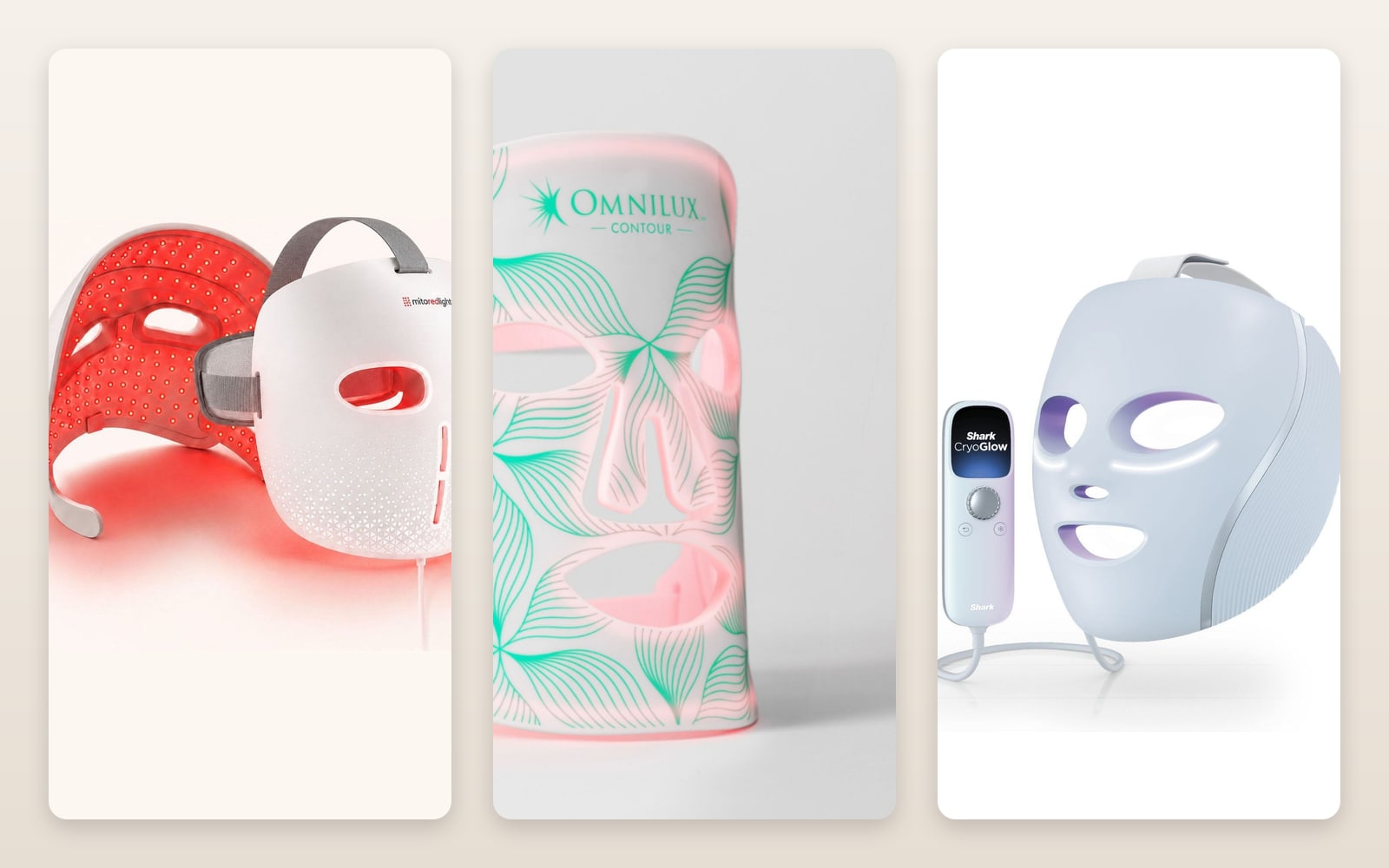
Best LED Face Masks 2026: 5 Red Light Masks Compared
We compared the best LED face masks of 2026 on LED count, wavelengths, FDA clearance, and price. Here are five red light masks actually worth considering.
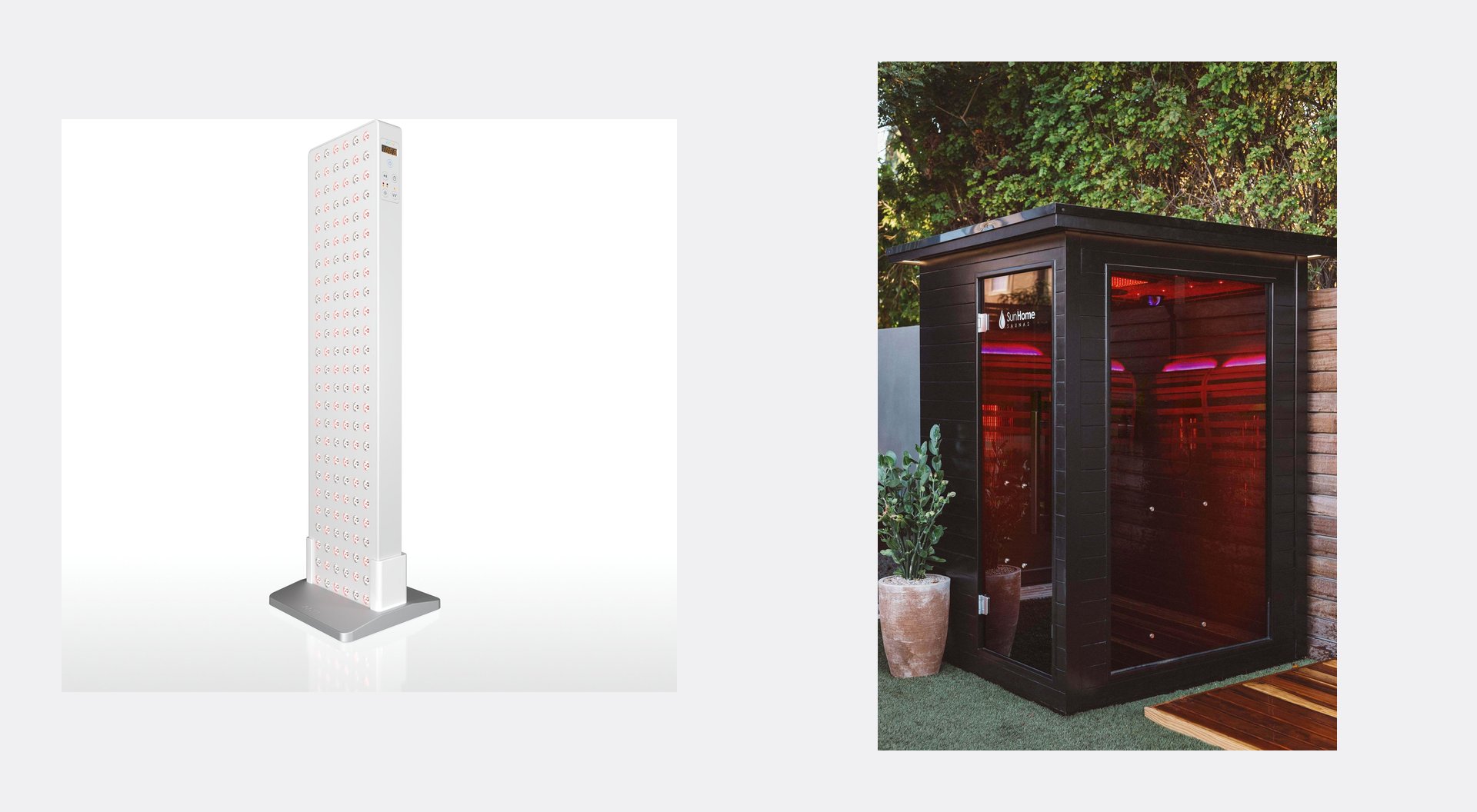
Red Light Therapy vs Infrared Sauna: Which One Should You Buy First?
A practical comparison of red light therapy panels and infrared saunas. We use the Joovv Solo 3.0 and Sun Home Luminar 2 as reference points and break down mechanism, benefits, cost, and who each tool fits best.
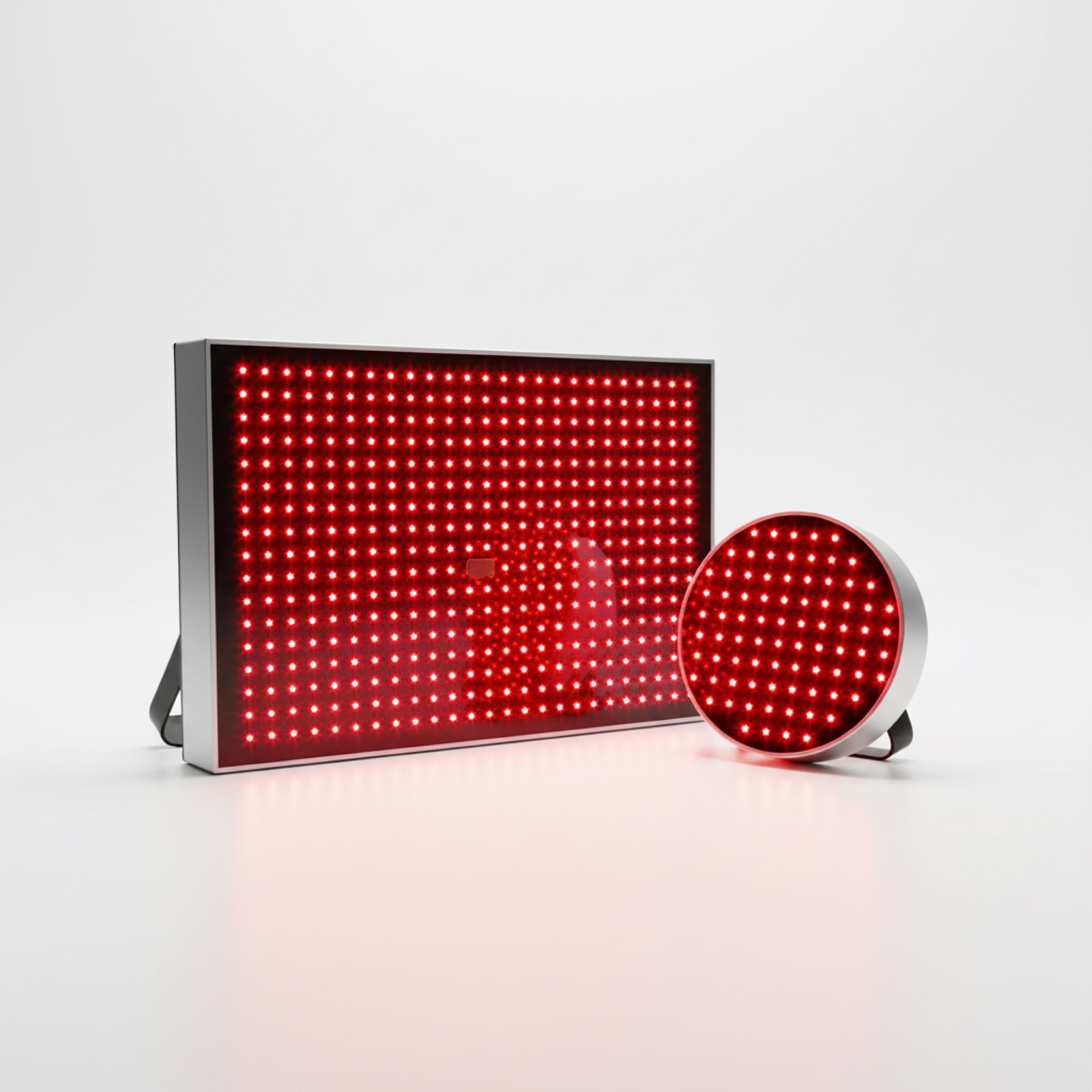
Joovv vs Mito Red Light: Which Panel Is Actually Worth It?
A detailed spec-by-spec comparison of Joovv Solo 3.0 and Mito Red MitoPRO+. We break down wavelengths, irradiance, EMF, price, and who each panel is best for.