Joovv vs Mito Red Light: Which Panel Is Actually Worth It?
A detailed spec-by-spec comparison of Joovv Solo 3.0 and Mito Red MitoPRO+. We break down wavelengths, irradiance, EMF, price, and who each panel is best for.
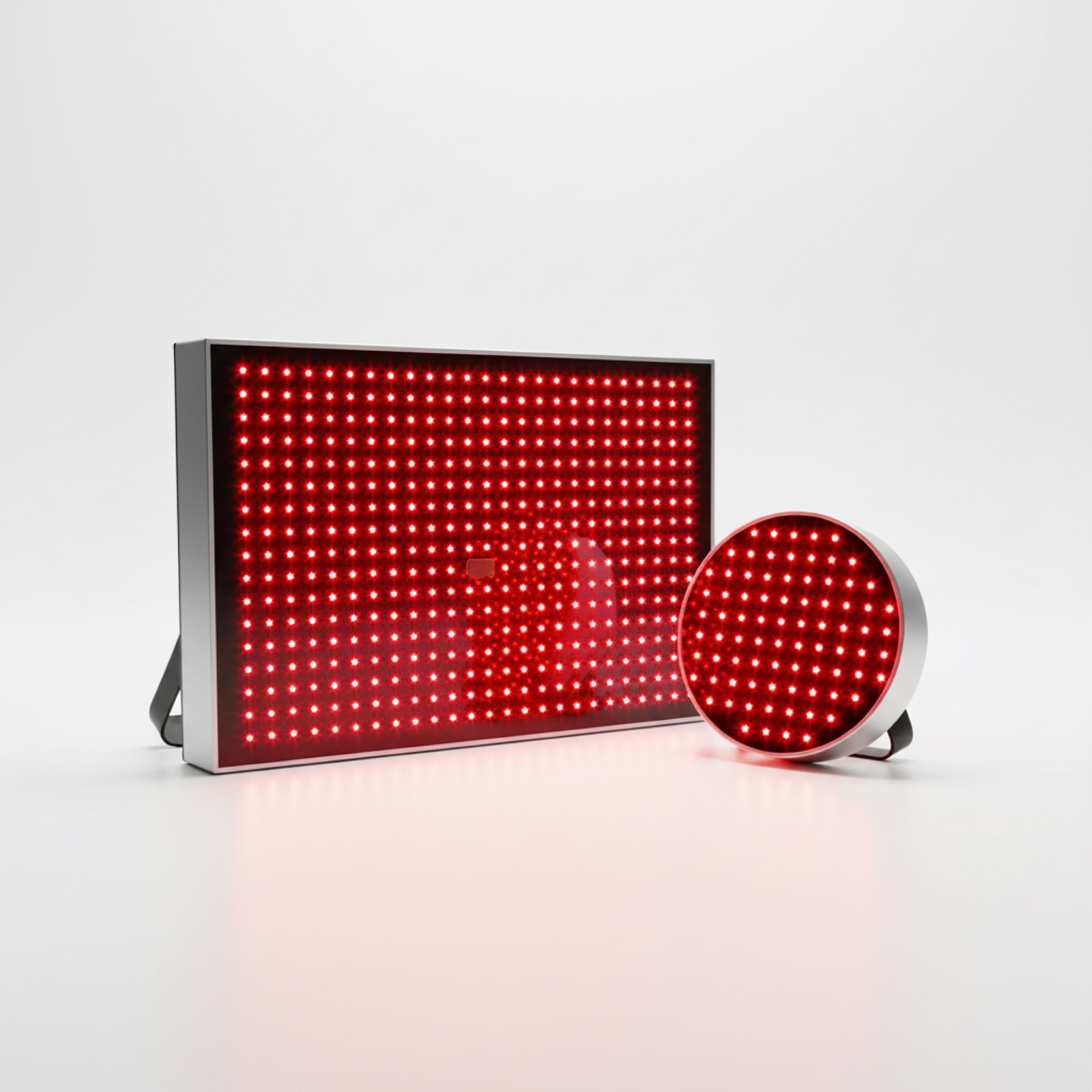
Winner: Mito Red MitoPRO+. Twice the wavelength coverage (4 vs 2), honest dual irradiance reporting, a longer warranty, and a full-body panel for $1,169 versus Joovv Solo 3.0’s $1,699 mid-size.
At a glance:
- Mito Red MitoPRO+ (Mito Red Light, $369 to $1,169): 4 targeted wavelengths, published spectroradiometer data, 3-year warranty, three sizes
- Joovv Solo 3.0 (Joovv, $1,699): 2 wavelengths, polished app and design, established brand, 2-year warranty
Joovv and Mito Red Light are two of the most discussed brands in the red light therapy space. Joovv is the established name that helped bring red light therapy to the mainstream. Mito Red Light is the challenger that has been gaining ground by offering more wavelengths, transparent testing data, and lower prices. The Nordic Recovery Guide team compared every specification that matters between the Joovv Solo 3.0 and the Mito Red MitoPRO+ series to land on a clear recommendation.
For a broader look at all top panels, see our Best Red Light Therapy Panels 2026 review. If you are new to the topic entirely, start with our beginner’s guide to red light therapy.
The Full Verdict
The premium you pay for Joovv Solo 3.0 does not translate into better therapeutic performance. Mito Red MitoPRO+ delivers more wavelengths, more transparent output data, a longer warranty, and better customer support at a significantly lower price. Joovv is the better pick only if you specifically value the polished app experience, the pulsing and Ambient modes, and are willing to pay roughly double for them.
Head-to-Head Specifications
| Feature | MitoPRO+ | Joovv Solo 3.0 |
|---|---|---|
| Wavelengths | 4 (630, 660, 830, 850nm) | 2 (660, 850nm) |
| Irradiance at 6" | >68 mW/cm² (spectroradiometer) | ~59 mW/cm² avg (independent test) |
| EMF | Low (third-party tested) | 23 V/m electric field at 6" |
| Warranty | 3 years | 2 years |
| Third-party tested | ||
| Pulsing mode | ||
| App control | ||
| Entry price | $369 (300+, 60 LEDs) | $1,099 (Mini 3.0) |
| Mid-size price | $869 (1000+, 200 LEDs) | $1,699 (Solo 3.0) |
| Full-body price | $1,169 (1500+, 300 LEDs) | $5,999 (Max 3.0) |
Wavelengths: 4 vs 2
This is the most significant therapeutic difference between the two panels.
MitoPRO+ offers four wavelengths split evenly at roughly 25% each: 630nm and 660nm in the red range, 830nm and 850nm in the near-infrared. The design deliberately concentrates output on the absorption peaks of cytochrome c oxidase, the mitochondrial enzyme that drives photobiomodulation, rather than chasing a longer wavelength list. If you want even more spectrum variety, Mito’s pricier MitoPRO X line adds 590nm amber and 810nm.
Joovv Solo 3.0 offers two wavelengths: 660nm and 850nm. These are the two most commonly researched wavelengths and will work for most applications. But for a panel that costs $1,699, offering only the baseline wavelengths feels like a significant limitation.
Our take: The MitoPRO+ gives you twice the wavelength coverage at roughly half the price. Both cover the essentials, but Mito’s four-wavelength design spreads output across both red and both NIR peaks instead of betting everything on 660 and 850.
Irradiance: How Much Light Reaches Your Skin
Irradiance determines how much therapeutic light actually reaches your cells at treatment distance. This is also where marketing numbers and measured numbers diverge across the whole industry.
MitoPRO+ is unusual in publishing two figures: over 170 mW/cm² at 6 inches on a consumer-grade meter, and over 68 mW/cm² at the same distance measured with a professional spectroradiometer. The second figure is the honest one, and very few brands publish anything like it.
Joovv Solo 3.0 claims over 100 mW/cm² at 6 inches. Independent testing by Light Therapy Insiders measured a peak of 72.4 mW/cm² and an average of 59.2 mW/cm² across nine measurement points.
Our take: Measured the same honest way, the two panels are in the same league, with Mito’s spectroradiometer figure slightly ahead of Joovv’s independently measured average. The real difference is transparency: Mito tells you the realistic number up front, while Joovv’s becomes apparent only through third-party testing. Both deliver enough output for effective 10-15 minute sessions at 6 inches.
EMF and Certifications
MitoPRO+ is third-party tested for low EMF and is flicker free. The panels are FDA Class II registered and ETL certified.
Joovv Solo 3.0 measures 23 V/m electric field at 6 inches, which falls within safe ranges but is measurably higher than the best in class. At 3 inches the electric field rises to 90 V/m, which some reviewers flag as a cautious zone. The root cause is reportedly Joovv’s use of an ungrounded power plug.
Our take: Mito wins on documentation. Joovv is within safe ranges at standard treatment distance, but if low EMF matters to you, the third-party tested MitoPRO+ is the safer pick.
Build, Controls and Design
Joovv Solo 3.0 has a sleek, minimal design that looks more like a consumer electronics product than a medical device. The branding and packaging are polished, and the proprietary mounting system connects multiple Joovv panels into a single array. The housing is plastic, which is surprising at a $1,699 price point.
MitoPRO+ takes the functional route: a digital control panel with a timer, three light modes (red only, NIR only, or both combined), and an included remote that can operate several units at once if you build out a multi-panel setup. There is no touchscreen or app; those are reserved for Mito’s pricier X line.
Our take: Joovv has the better industrial design and the more premium feel in a living space. MitoPRO+ keeps the controls simple and puts the budget into output and certifications instead. Which philosophy you prefer is a matter of taste.
Software and Features
This is the one section Joovv wins outright.
Joovv pairs the Solo 3.0 with a genuinely polished app. Bluetooth connectivity links multiple panels wirelessly, and two features stand out:
- Recovery+ Mode: Combines pulsed NIR at 10Hz with continuous red light, designed for post-exercise recovery and drawing on research linking pulsed light to enhanced cellular response.
- Ambient Mode: A low-intensity red-only mode with four brightness levels that works as a circadian-friendly room light in the evening. No other panel in this comparison offers anything like it.
MitoPRO+ has no app and no pulsing mode. You get the three wavelength modes, a timer, and the multi-unit remote. That covers the core use case, but nothing beyond it.
Our take: If app control, session tracking, pulsing, or evening ambient lighting matter to you, Joovv is the only one of the two that delivers them. If you just want to stand in front of strong, well-documented light for 10-15 minutes a day, you will not miss any of it.
Customer Support and Warranty
MitoPRO+ comes with a 3-year warranty and a 60-day money-back guarantee. Mito Red offers phone support on weekdays and replaces defective units rather than repairing them.
Joovv Solo 3.0 comes with a 2-year warranty and a 60-day return period, though return shipping is paid by the customer and a restocking fee applies. Joovv does not offer phone support; customer service is email-only, and recent reviews on Trustpilot report generic responses and slow resolution times.
Our take: Mito Red Light wins clearly on the ownership experience: longer warranty, friendlier returns, and a human on the phone when something goes wrong.
Price: The Elephant in the Room
Here is where the comparison gets difficult for Joovv.
| What you get | MitoPRO+ | Joovv |
|---|---|---|
| Entry panel | $369 (300+, 60 LEDs) | $1,099 (Mini 3.0, 60 LEDs) |
| Mid-size panel | $869 (1000+, 200 LEDs) | $1,699 (Solo 3.0, 150 LEDs) |
| Full-body panel | $1,169 (1500+, 300 LEDs) | $5,999 (Max 3.0, 420 LEDs) |
At the mid-size comparison point, the MitoPRO 1000+ at $869 gives you more LEDs than the Joovv Solo 3.0 at $1,699, with twice the wavelengths, comparable measured output, a longer warranty, and better support. That is $830 less.
The gap widens dramatically at full-body size: the MitoPRO 1500+ costs $1,169 against $5,999 for the Joovv Max 3.0. Even at entry level, the MitoPRO 300+ at $369 matches the Joovv Mini 3.0’s LED count at a third of the price.
Our take: The MitoPRO+ delivers roughly twice the performance per dollar at mid-size, and several times more at full-body scale. The areas where Joovv wins (design, app, pulsing, Ambient Mode) do not bridge a gap this large for most buyers.
Who Should Buy the Joovv Solo 3.0
Despite everything above, there are legitimate reasons to choose Joovv:
- You value design and aesthetics. The Solo 3.0 looks better in a living space than any competitor.
- You want Ambient Mode. No other panel offers a true circadian-friendly ambient light mode. If you plan to use your panel as evening room lighting, this is a feature only Joovv provides.
- You want pulsing and app control. Recovery+ pulsed delivery and session tracking exist only on the Joovv side of this comparison.
- You are already in the Joovv ecosystem. If you own Joovv panels and want to expand, the Bluetooth linking and shared mounting system make adding another Joovv the most seamless option.
Who Should Buy the MitoPRO+
For most buyers, the MitoPRO+ is the better choice:
- You want the best value. More wavelengths, comparable measured output, lower price. The math is straightforward.
- You want honest specs. Published spectroradiometer data and third-party EMF testing mean you know what you are buying before it arrives.
- You want to scale up affordably. Start with a 300+ ($369) and add panels over time; the included remote operates several units at once. A full-body 1500+ costs less than a fifth of Joovv’s full-body option.
- You prioritize warranty and support. Three years, a 60-day money-back guarantee, and phone support are meaningful differentiators.
Our Verdict
The Mito Red MitoPRO+ wins this comparison on wavelengths, value, transparency, customer support, and warranty. It is the better panel for the vast majority of buyers.
The Joovv Solo 3.0 is not a bad product. It is well-designed, has a polished app ecosystem, and the Ambient Mode is a genuinely unique feature. But at nearly double the price of the comparable MitoPRO+, the premium is hard to justify on therapeutic performance alone. You are paying for the brand, the design, and the software, not for better light therapy.
If you are still weighing your options, our full panel comparison covers additional brands including BON CHARGE, PlatinumLED, and NovaaLab. And if skin health is your primary goal, see our guide to red light therapy for skin for wavelength and protocol recommendations.
Related Articles
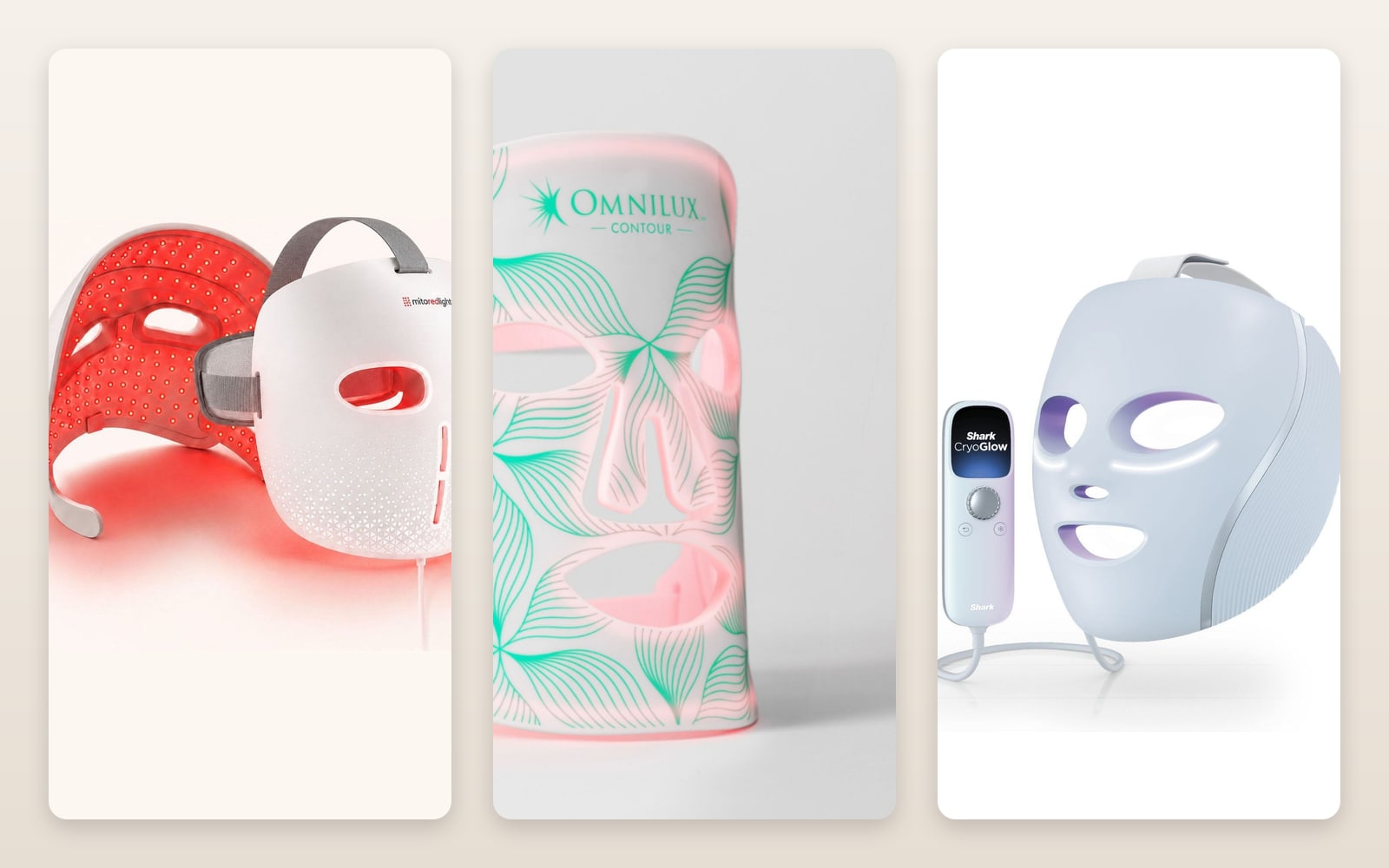
Best LED Face Masks 2026: 5 Red Light Masks Compared
We compared the best LED face masks of 2026 on LED count, wavelengths, FDA clearance, and price. Here are five red light masks actually worth considering.
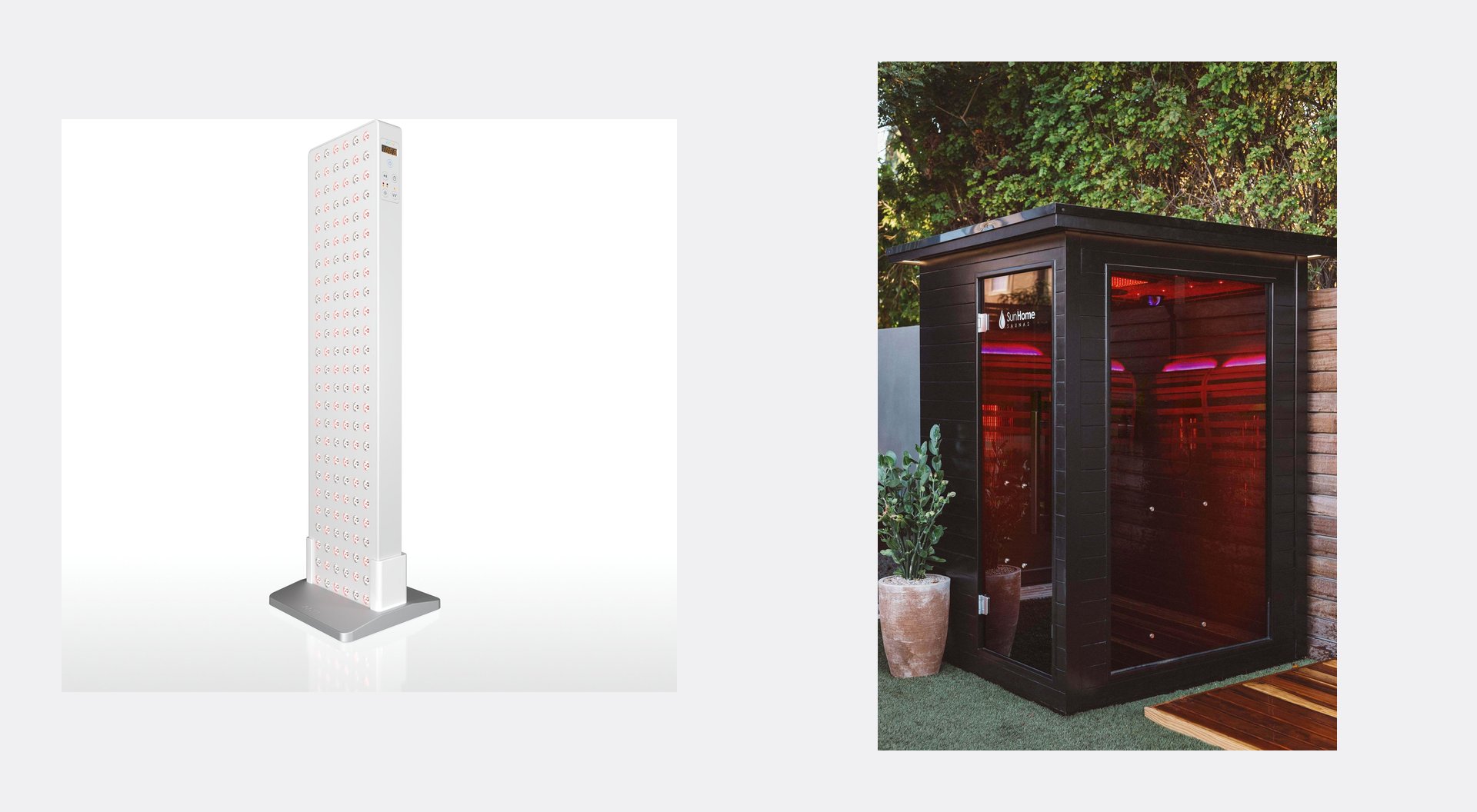
Red Light Therapy vs Infrared Sauna: Which One Should You Buy First?
A practical comparison of red light therapy panels and infrared saunas. We use the Joovv Solo 3.0 and Sun Home Luminar 2 as reference points and break down mechanism, benefits, cost, and who each tool fits best.
Red Light Therapy Dosing Guide: How Long, How Close, How Often
A practical guide to red light therapy dosing. Covers how to calculate your dose, recommended protocols by goal, session timing, and the most common mistakes that reduce results.