The Ultimate Contrast Therapy Protocol: Sauna + Cold Plunge + Red Light
A complete protocol for combining infrared sauna, cold plunge, and red light therapy into a daily recovery routine.
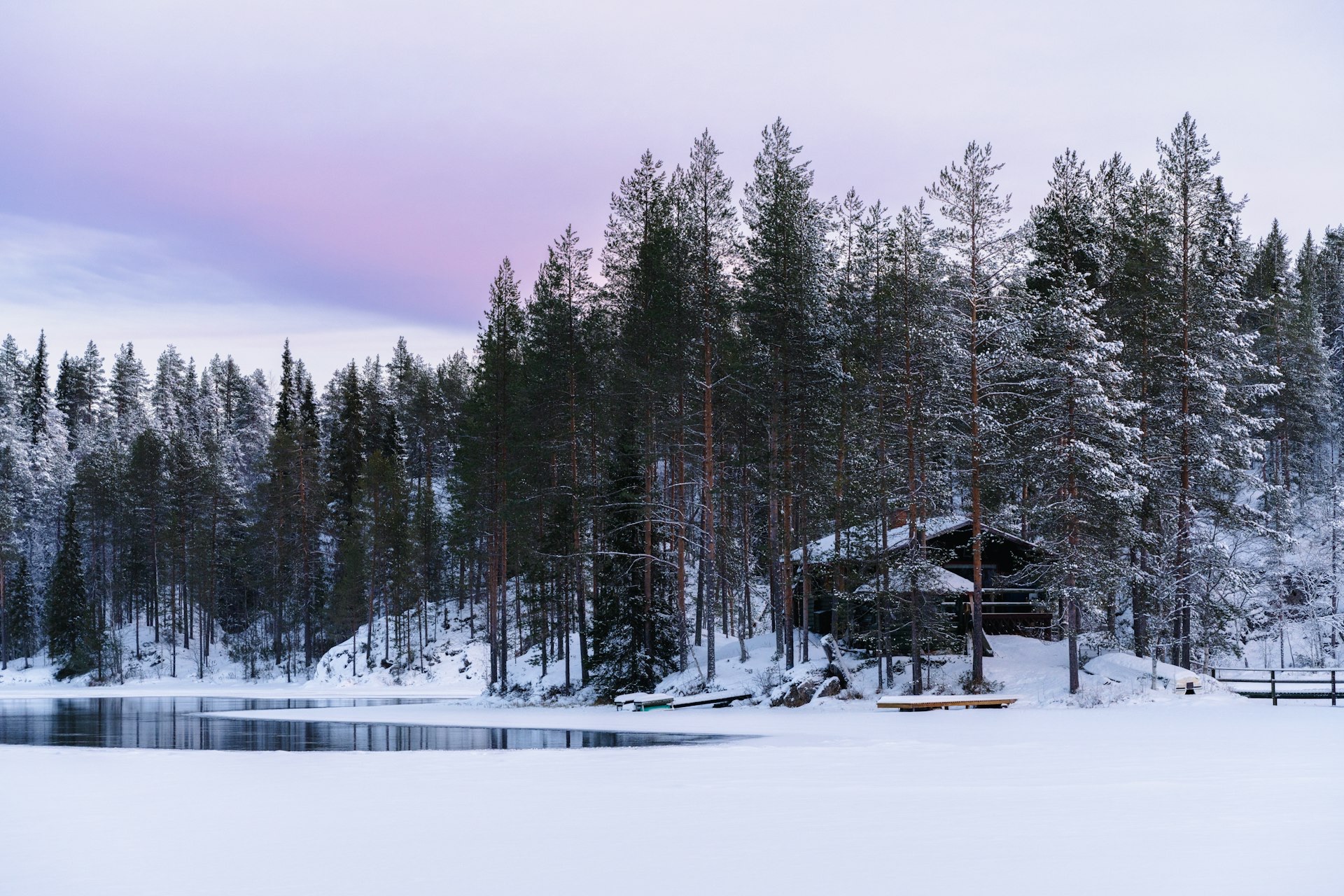
The Scandinavian tradition of alternating between extreme heat and freezing cold has been practiced for over a thousand years. Vikings would move between wood-fired saunas and icy rivers. Finnish families still do this every week.
Modern science is now confirming what Nordic cultures have known intuitively: the combination of heat, cold, and light exposure produces better recovery outcomes than any single method alone.
This guide gives you a complete protocol for combining infrared sauna, cold plunge, and red light therapy into a daily stack.
Why Combine All Three?
Each modality triggers different physiological pathways. When combined strategically, they complement each other:
| Modality | Primary Mechanism | Key Benefits |
|---|---|---|
| Infrared sauna | Deep tissue heating → vasodilation | Detox, cardiovascular health, relaxation, pain relief |
| Cold plunge | Cold shock → vasoconstriction + hormesis | Inflammation reduction, dopamine, mental resilience |
| Red light therapy | Photobiomodulation → ATP production | Cellular repair, collagen, wound healing, recovery |
The synergy: Heat opens blood vessels and drives blood to the surface. Cold constricts vessels and pushes blood to the core. This alternating “pump” flushes metabolic waste and delivers fresh, oxygenated blood to tissues. Red light therapy then supports cellular repair at the mitochondrial level.
Together, you get:
- 3-5x greater norepinephrine release than cold alone
- Enhanced blood flow cycling that accelerates recovery
- Deeper cellular repair from red light on heat-primed tissue
- Improved sleep quality when done in the right order at the right time
The Protocol
Quick Reference
| Step | What | Duration | Temperature |
|---|---|---|---|
| 1 | Red light therapy | 10-15 min | N/A |
| 2 | Infrared sauna | 20-30 min | 140-150°F |
| 3 | Cold plunge | 2-5 min | 45-55°F |
| 4 | Rest & warm up | 5-10 min | Room temp |
| 5 | (Optional) Repeat steps 2-4 | - | - |
Total time: 40-60 minutes for one cycle, 60-90 minutes with a repeat.
Step 1: Red Light Therapy (10-15 minutes)
Start with red light before the sauna. Your skin is dry and clean, ideal conditions for light absorption. Red and near-infrared light penetrates best through clean, dry skin.
Setup:
- Stand 6-8 inches from your panel
- Use dual wavelength mode (660nm + 850nm) if available
- Expose the areas you want to target: face, torso, joints, or full body
- 10 minutes for a targeted area, 15 minutes for full body
Why first: Research shows photobiomodulation is most effective when tissue temperature is normal or slightly elevated. Starting with RLT primes your cells for the recovery cascade that heat and cold will trigger.
Step 2: Infrared Sauna (20-30 minutes)
Move directly from red light to your sauna. The goal is deep, sustained heat exposure.
Setup:
- Temperature: 140-150°F for experienced users, 120-130°F for beginners
- Sit upright to maximize heat exposure
- Hydrate: bring 16-24oz of water and sip throughout
- Optional: use this time for breathwork or meditation
What’s happening in your body:
- Core temperature rises 2-3°F, mimicking a fever response
- Heart rate increases to 100-140 bpm, a form of passive cardiovascular exercise
- Blood vessels dilate dramatically, increasing blood flow
- Heat shock proteins (HSPs) are produced. These repair damaged proteins and protect cells from future stress
- Growth hormone can spike 200-300% during prolonged heat exposure
When to exit: When you feel like you’ve had enough. Forcing yourself to stay beyond comfort isn’t productive. Most people hit their sweet spot at 20-30 minutes.
Step 3: Cold Plunge (2-5 minutes)
Go directly from sauna to cold water. This is the contrast that drives the most powerful physiological response.
Setup:
- Water temperature: 45-55°F is optimal. Below 40°F isn’t necessary
- Enter slowly but steadily. Don’t inch in. Commit
- Submerge up to your neck
- Focus on slow, controlled breathing (in through nose, out through mouth)
What’s happening in your body:
- Norepinephrine surges 200-300% within seconds
- Blood vessels constrict sharply, pushing blood to vital organs
- Inflammation markers drop as the cold suppresses inflammatory pathways
- Dopamine rises 200-250%, a mood and energy boost that can last 3-4 hours
- Your nervous system shifts from sympathetic (fight-or-flight from heat) to a controlled parasympathetic recovery state
Duration: 2 minutes is effective. 3-5 minutes is ideal. Beyond 5 minutes offers diminishing returns for most people. Exit if you feel dizzy or your extremities go numb.
Step 4: Rest and Warm Up (5-10 minutes)
Don’t rush to warm up. Let your body do it naturally.
- Step out of the cold and stand or sit at room temperature
- Wrap in a towel or robe if you’d like, but avoid hot showers immediately
- Your body will naturally rewarm over 5-10 minutes
- This gradual rewarming drives one final wave of blood flow cycling
You’ll feel: A sense of calm alertness. Many people describe this as the best they feel all day.
Step 5 (Optional): Repeat
For deeper recovery, repeat steps 2-4 one more time. The second cycle often feels easier, as your body has already adapted to the stress. Nordic tradition typically involves 2-3 rounds of hot-cold alternation.
Timing: When to Do This Protocol
Morning Protocol (Recommended)
Best for: Energy, focus, productivity, mood
Do the full protocol within the first 2 hours of waking. The dopamine and norepinephrine boost will carry you through the day. Morning cold exposure also reinforces your circadian rhythm by spiking cortisol at the right time.
Schedule example:
- 6:00 - Wake up, hydrate (16oz water)
- 6:15 - Red light therapy (10 min)
- 6:30 - Infrared sauna (25 min)
- 7:00 - Cold plunge (3 min)
- 7:05 - Rest, warm up, shower
- 7:20 - Ready for the day
Evening Protocol
Best for: Recovery, sleep, relaxation
If you train in the afternoon or evening, shift the protocol to post-workout. Make two adjustments:
- End with sauna, not cold. Heat before bed promotes sleep. Cold before bed can delay sleep onset for some people
- Use red-only mode (no near-infrared) if doing RLT in the evening. Red light supports melatonin production
Modified evening order:
- Red light (red-only mode, 10 min)
- Cold plunge (3 min) - post-workout recovery
- Infrared sauna (20 min) - end with heat for relaxation
- Gentle cool-down, then bed
Beginner Adaptation Schedule
Don’t start with the full protocol on day one. Build up over 4-6 weeks:
Weeks 1-2: Single Modality
Pick one modality and establish a habit:
- Infrared sauna: 15 minutes at 120°F, 3x per week
- OR Cold plunge: 1 minute at 60°F, 3x per week
- OR Red light therapy: 10 minutes daily
Weeks 3-4: Two Modalities
Combine two:
- Red light → sauna (skip cold for now)
- OR Sauna → cold plunge (the classic Nordic combo)
Weeks 5-6: Full Stack
Add the third modality:
- Red light → sauna (increase to 140°F, 20 min) → cold plunge (50°F, 2 min)
Month 2+: Optimize
- Increase sauna to 25-30 minutes
- Lower cold plunge to 45°F, extend to 3-5 minutes
- Experiment with morning vs. evening timing
- Try 2 rounds of sauna-cold
Common Mistakes to Avoid
1. Cold plunge immediately after strength training
If your primary goal is muscle growth, avoid cold immersion within 4 hours of strength training. The anti-inflammatory effect of cold can blunt the muscle-building signaling pathway (mTOR). Use cold plunge on rest days or before training instead.
2. Dehydration
You will sweat heavily in the sauna and lose electrolytes. Drink at minimum 32oz of water during the full protocol. Add electrolytes (sodium, potassium, magnesium) if you’re doing this daily.
3. Too cold, too fast
Starting at 37°F when you’ve never cold plunged is a recipe for panic and quitting. Start at 60°F. The benefits at 55°F are nearly identical to 40°F for most purposes.
4. Skipping the rest period
The 5-10 minute rest after cold plunge is the most important part. Your body is actively rewarming, cycling blood flow, and releasing the hormones that make you feel amazing. Don’t short-circuit it with a hot shower.
5. Inconsistency
The benefits of this protocol are cumulative. A single session feels great. But the lasting benefits, improved sleep, reduced inflammation, better cardiovascular markers, mental resilience, comes from consistent practice over weeks and months. Aim for 3-5 sessions per week minimum.
The Science Summary
| Benefit | Mechanism | Evidence Level |
|---|---|---|
| Cardiovascular health | Heat stress + blood flow cycling | Strong (20+ year Finnish studies) |
| Mood & energy | Dopamine + norepinephrine release | Strong (multiple RCTs) |
| Inflammation reduction | Cold-induced vasoconstriction | Strong |
| Muscle recovery | Blood flow cycling + cold anti-inflammatory | Moderate-Strong |
| Sleep improvement | Heat-induced melatonin + parasympathetic activation | Moderate |
| Skin health | Red light collagen + heat-induced blood flow | Moderate |
| Immune function | Heat shock proteins + cold hormesis | Moderate |
| Mental resilience | Repeated voluntary discomfort | Emerging (supported by psychology research) |
Equipment Recommendations
You don’t need top-of-the-line equipment for every modality. Here’s how to prioritize:
Invest most in: The modality you’ll use most often. For most people, that’s the sauna (since sessions are longer and more comfortable).
Budget option to start:
- Red light: NovaaLab Pad (~$350)
- Sauna: HigherDOSE Sauna Blanket ($699)
- Cold: Ice Barrel 300 (~$1,150) or DIY chest freezer conversion ($200-400)
Premium setup:
- Red light: Mito Red MitoPRO+ ($369-$1,169)
- Sauna: Sunlighten mPulse Aspire (from ~$6,500)
- Cold: Plunge All-In (~$7,990)
Check our detailed reviews:
- Best Red Light Therapy Panels 2026
- Best Infrared Saunas for Home 2026
- Best Cold Plunge Tubs 2026
- Best Massage Guns 2026
- Best Compression Boots 2026
Start Today
You don’t need all three modalities to begin. A cold shower at the end of your morning routine is contrast therapy. Standing in the sun is light therapy. The protocol above is the optimized version, but any step in this direction helps.
The Nordic tradition of alternating heat and cold has endured for over a thousand years. Modern research is now helping us understand why.
Related Articles
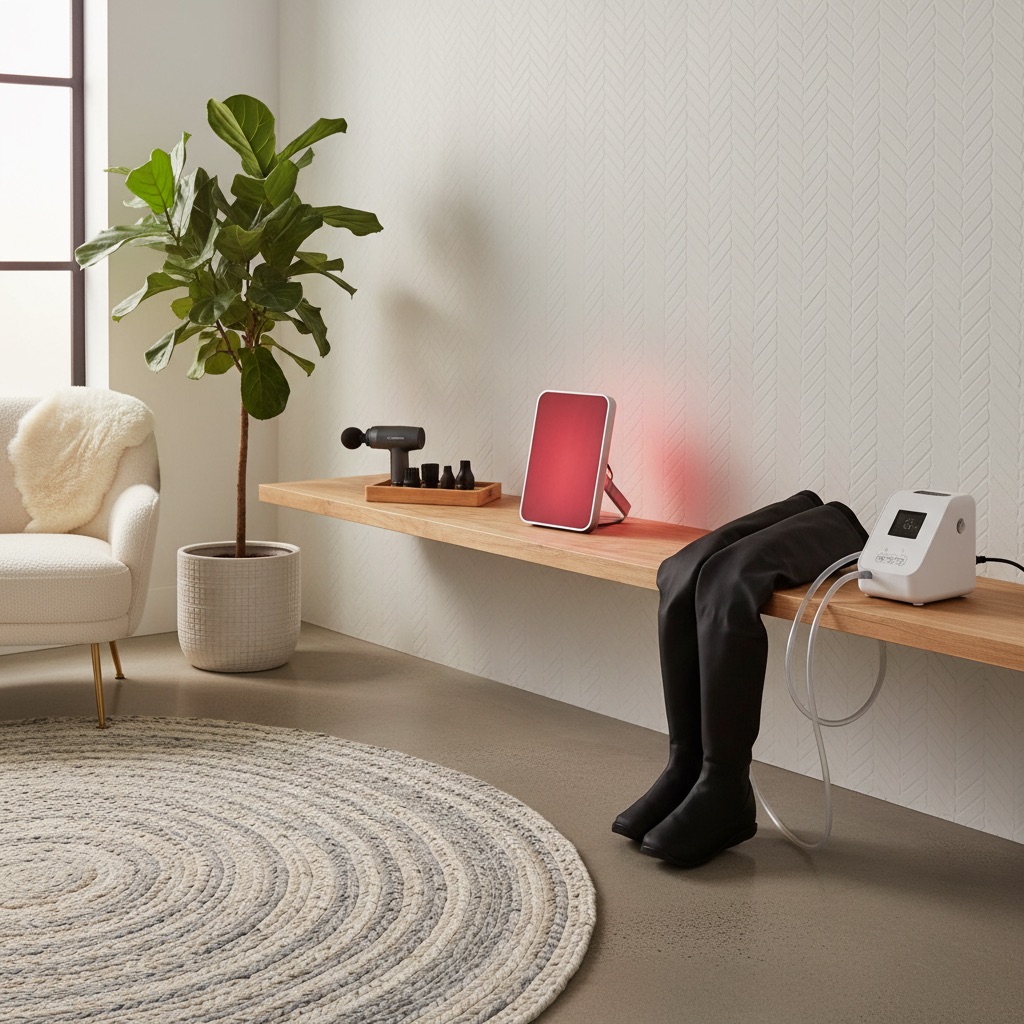
Recovery Stacking: How to Combine Multiple Recovery Tools
A practical guide to combining red light therapy, sauna, cold plunge, massage guns, and compression boots into an effective routine.
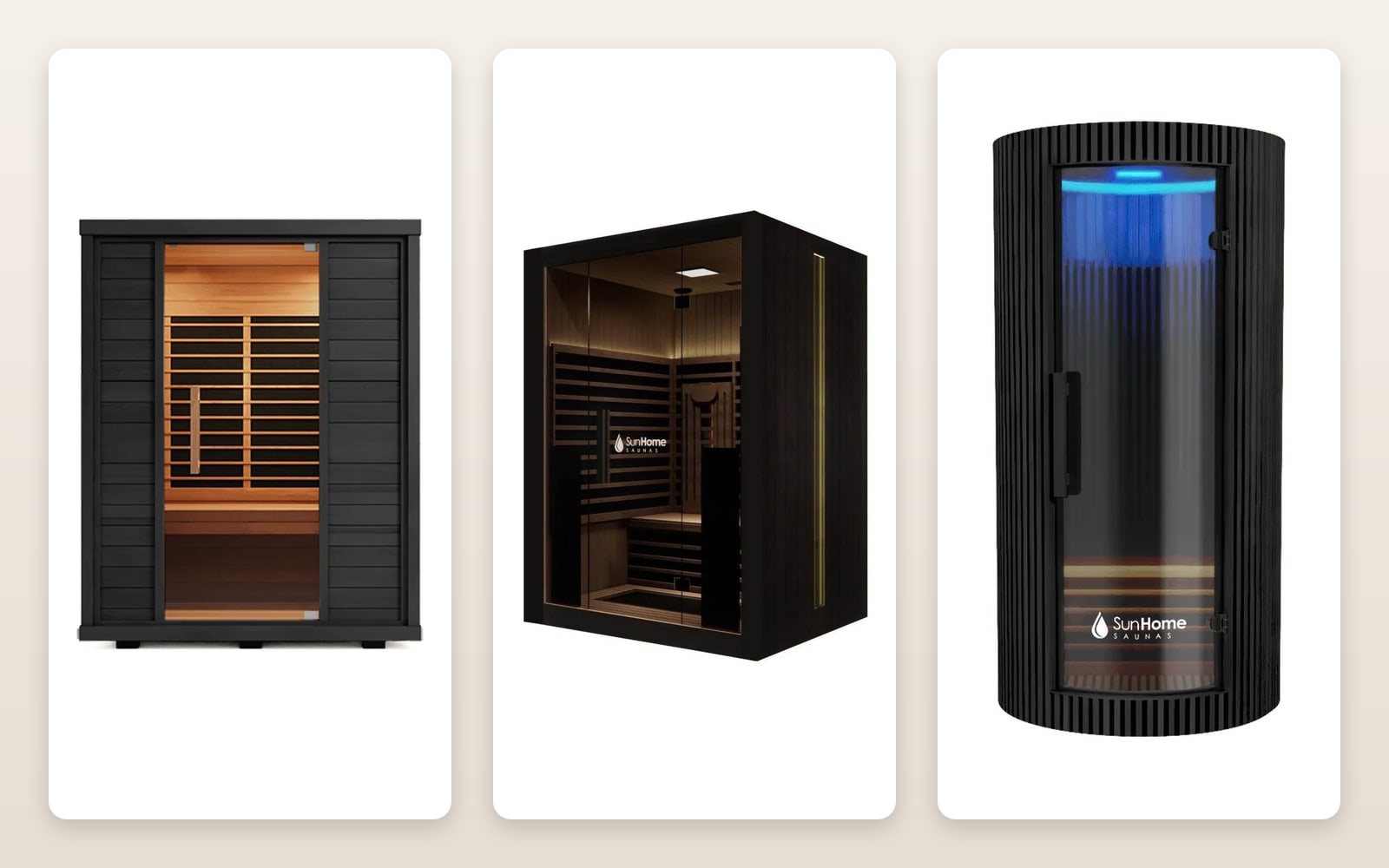
Best Home Saunas 2026: Top Infrared Saunas Compared
We compare eight infrared saunas for home use, from a $2,099 budget cabin to full-spectrum and outdoor-rated models with built-in red light therapy.
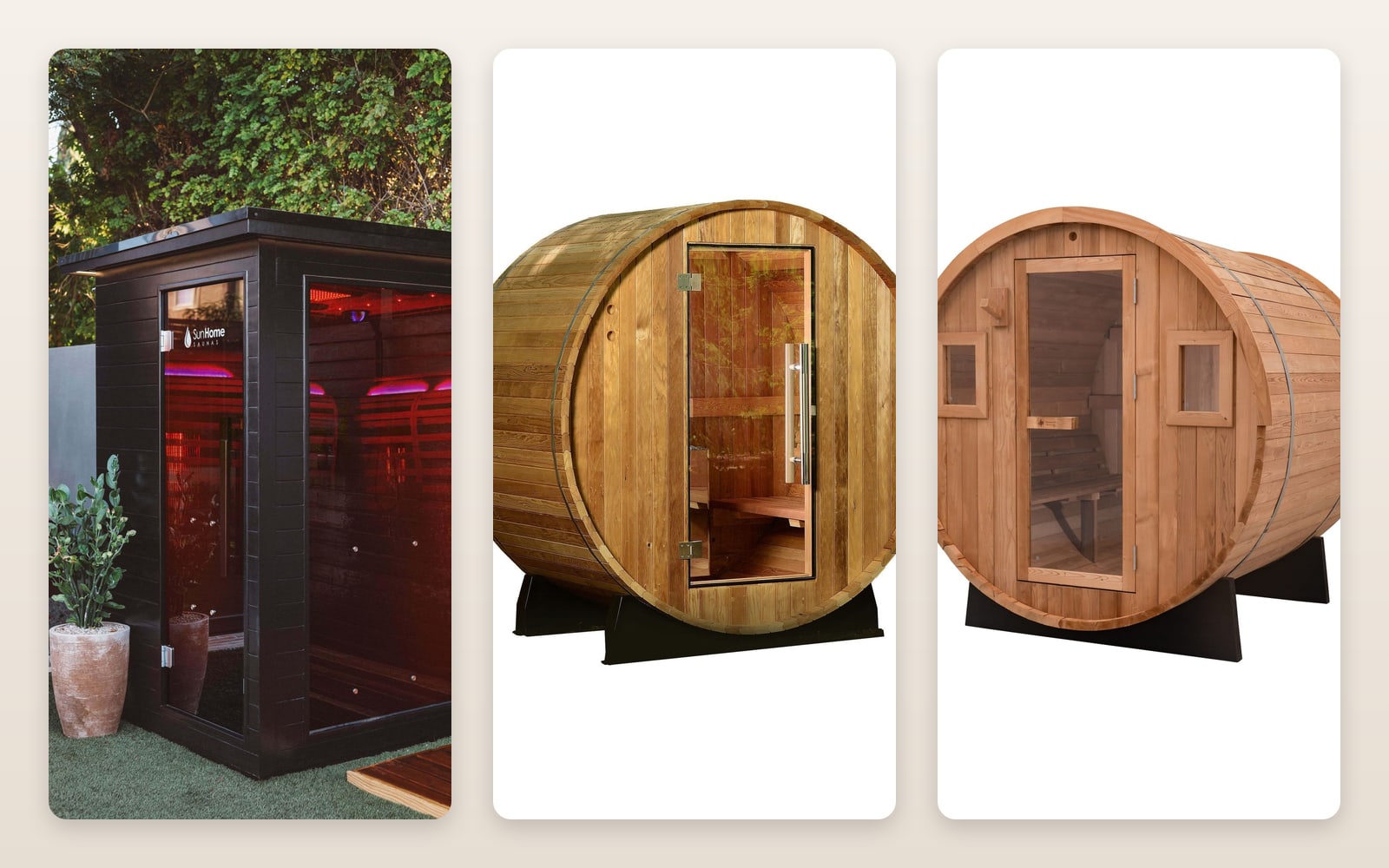
Best Outdoor Saunas 2026: Infrared and Traditional Compared
We compare five outdoor saunas for backyards, terraces, and gardens: full-spectrum infrared cabins from Sun Home and traditional Harvia-heated barrel and cabin saunas from Almost Heaven and Redwood Outdoors.