Normatec 3 vs JetBoots Prime: Which Compression Boots Are Worth It?
A detailed comparison of the Normatec 3 and Therabody JetBoots Prime. We compare compression technology, intensity levels, app features, portability, price, and who each system is best for.
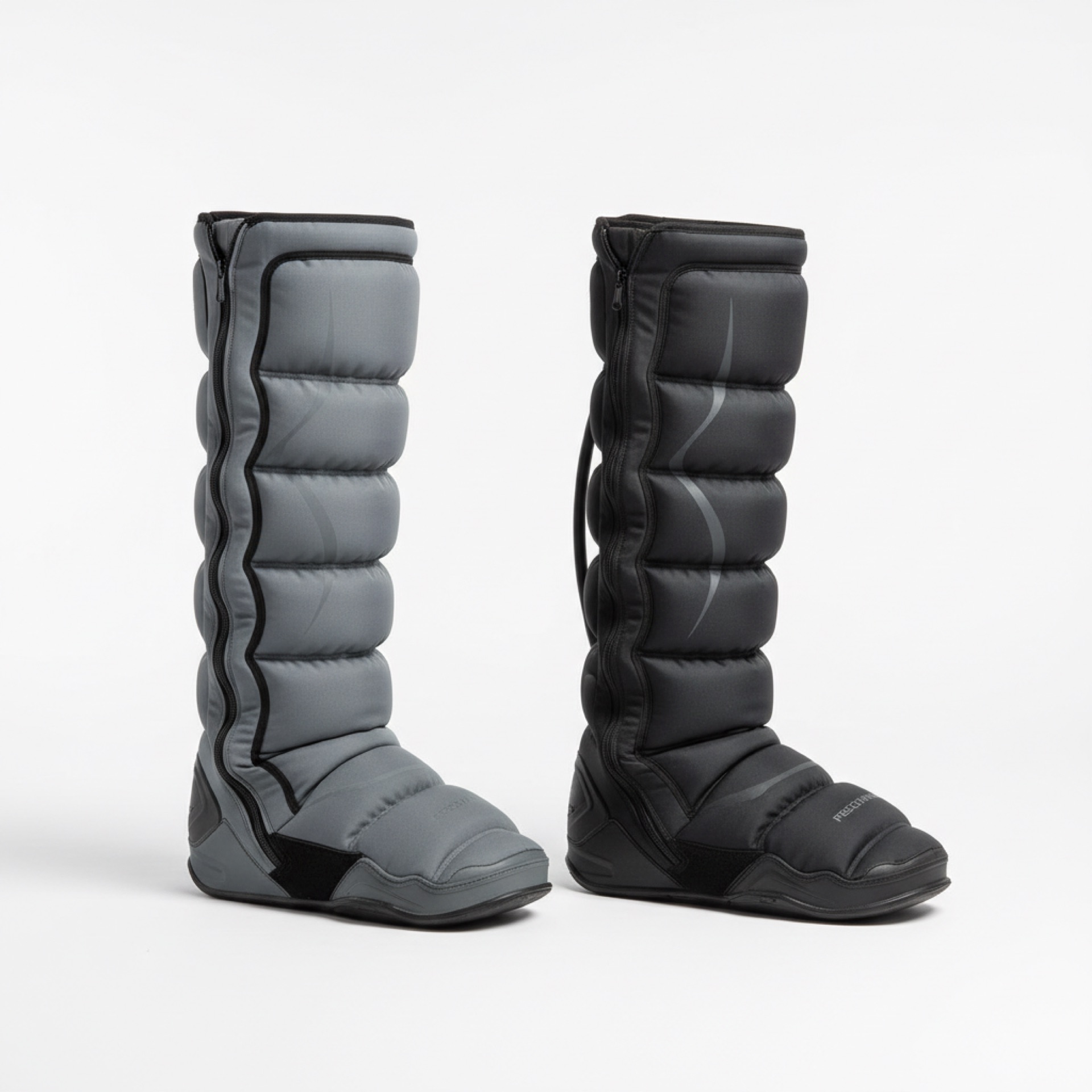
The Normatec 3 and the Therabody JetBoots Prime are the two flagship compression systems from the two biggest names in recovery technology. Hyperice (the company behind Normatec) pioneered pneumatic compression for athletes. Therabody (the company behind Theragun) entered the compression market as an extension of their percussion therapy ecosystem.
Both systems use air chambers to sequentially compress your legs, improving circulation and reducing muscle soreness after training. But they differ in compression technology, customization depth, app experience, and price. This comparison breaks down where each one has an edge.
For a broader look at all top compression systems including a budget option, see our Best Compression Boots 2026 review. If you are new to compression therapy, start with our beginner’s guide to compression therapy.
The Quick Answer
The Normatec 3 is the better compression system for most users. Its patented Pulse Technology feels more natural than standard sequential compression, with 7 intensity levels and per-zone control that lets you target specific areas. The JetBoots Prime is a solid alternative at $200 less, especially if you already own Therabody products and want everything in one app.
Head-to-Head Specifications
| Feature | Normatec 3 | JetBoots Prime |
|---|---|---|
| Price | $799 | $599 |
| Compression type | Pulse Technology (dynamic) | Sequential (overlapping) |
| Intensity levels | 7 | 4 |
| Zone control | Per-zone via app | Via app |
| Power source | Rechargeable battery | Rechargeable battery |
| Battery life | ~2 hours | ~2.5 hours |
| Session time | 20-60 min (customizable) | 20-60 min |
| Boot sizes | S, M, L | S/M, L/XL |
| Bluetooth app | ||
| Attachments available | Legs, hips, arms | Legs only |
| Warranty | 1 year | 1 year |
Compression Technology: Pulse vs Sequential
This is the most meaningful technical difference between the two systems.
Normatec 3 uses Hyperice’s patented Pulse Technology. Instead of a simple inflate-hold-deflate cycle, the Normatec uses a dynamic pulsing pattern that mimics natural muscle contractions. Each zone inflates, pulses at varying pressure, and then releases before the next zone begins. The overlapping chambers create a wave-like sensation that moves blood from your feet toward your heart.
JetBoots Prime uses overlapping sequential compression. The chambers inflate in sequence from your feet upward, with each chamber holding pressure while the next one inflates. This creates a smooth upward compression wave. It is effective, but the pattern is more uniform than the Normatec’s dynamic pulsing.
Our take: Most users notice a difference in how the two systems feel. The Normatec’s pulsing compression feels more varied and rhythmic. The RecoveryAir feels steadier and more predictable. Both move fluid effectively, but the Normatec’s approach has more published research behind it and has been adopted more widely by professional sports teams.
Intensity and Customization
Normatec 3 offers 7 intensity levels. Through the Hyperice app, you can adjust intensity per zone, meaning you can run higher pressure on your calves while keeping it lighter on your feet or thighs. This level of control is useful if you have specific areas of soreness or want to avoid pressure on an injury.
JetBoots Prime offers 4 intensity levels. The Therabody app allows zone-level adjustment, but with fewer intensity gradations the tuning is less precise. Four levels cover the range from gentle to firm, which is enough for most recovery sessions.
Our take: The Normatec’s 7 levels give you finer control, which matters most for athletes who use compression frequently and have varying recovery needs. For occasional use (3-4 times per week), 4 levels is sufficient. The per-zone control is valuable on both systems.
App Experience
Both systems pair with their respective brand apps via Bluetooth.
Hyperice app (Normatec 3) offers custom session programming, per-zone intensity adjustment, guided recovery routines, and session tracking. The app is well-designed and responsive. You can save custom presets and share them. The interface focuses on compression settings with clear visual feedback for each zone.
Therabody app (JetBoots Prime) integrates compression alongside Theragun settings, sleep data, and guided wellness routines. If you own a Theragun, having both devices in one app is convenient. The compression controls are more basic than Hyperice’s, but functional. Guided sessions walk you through recovery routines based on your activity type.
Our take: The Hyperice app is better for compression-specific control. The Therabody app is better as an all-in-one wellness hub. If compression boots are your only recovery device, the Hyperice app offers more depth. If you already use Therabody products, the unified app experience is a genuine convenience.
Build Quality and Comfort
Normatec 3 has a compact, lightweight control unit that clips to the boot. The boots use durable materials with smooth inner linings. Three size options (S, M, L) help ensure a good fit. The overlapping chamber design creates even pressure distribution without uncomfortable gaps.
JetBoots Prime has a sleek control unit with a slightly larger footprint. The boot design is streamlined and comfortable, with two size options (S/M, L/XL) that cover most users. The materials feel premium and the boots sit well on the legs.
Our take: Both feel well-made. The Normatec’s three size options give slightly better fit options, while the JetBoots’s two-size approach is simpler but less precise. Neither feels cheap.
Portability
Normatec 3 weighs about 5.5 lbs total (control unit + boots). The rechargeable battery lasts approximately 2 hours, covering 2-4 sessions. The control unit is small enough to fit in a gym bag. Travel-friendly design that does not require a wall outlet during use.
JetBoots Prime is similar in weight and portability. The battery lasts slightly longer at roughly 2.5 hours. Both systems are genuinely portable and can be used at the gym, at a track meet, or while traveling.
Our take: Effectively equal portability. Both are designed for use beyond the living room, and both deliver on that promise.
Attachments and Versatility
Normatec 3 offers leg boots (included), plus optional hip and arm attachments (sold separately). The hip attachment covers glutes and lower back. The arm attachment covers biceps through forearms. This makes the Normatec a more versatile system for full-body recovery.
JetBoots Prime currently offers leg boots only. No hip or arm attachments are available. If your recovery needs extend beyond your legs, the system cannot address them.
Our take: If you want to compress your hips, lower back, or arms, the Normatec is the only option. For runners and cyclists who only need leg recovery, this difference is irrelevant. For crossfit athletes, combat sports practitioners, or anyone with upper-body soreness, the Normatec’s expansion options add real value.
Price and Warranty
Normatec 3 costs $799 with a 1-year warranty. Hip and arm attachments add $249-$349 each.
JetBoots Prime costs $599 with a 1-year warranty. No additional attachments available.
The $200 price difference is noticeable. Both come with 1-year warranties.
Our take: The Normatec costs $200 more, which buys you 7 intensity levels (vs 4), per-zone control, Pulse Technology, and expansion options for hips and arms. If compression is a core part of your recovery routine, the extra investment in the Normatec pays off. If you want solid compression at a lower price, the JetBoots delivers.
Who Should Buy the Normatec 3
- You want the most customization (7 levels, per-zone control)
- Pulse Technology’s dynamic compression pattern appeals to you
- You may want hip or arm attachments in the future
- You want the broadest ecosystem (hip and arm attachments available)
- You prioritize compression-specific app depth
Who Should Buy the JetBoots Prime
- You already own Therabody products and want one app for everything
- $200 savings matters to your budget
- You only need leg compression (no hip/arm needs)
- 4 intensity levels provide enough range for your recovery sessions
- You prefer a slightly simpler setup with less to configure
Our Verdict
The Normatec 3 is the better compression system overall. More intensity levels, better per-zone control, dynamic Pulse Technology, optional attachments for hips and arms, and a longer warranty. It has earned its position as the standard in home compression therapy.
The JetBoots Prime is a capable alternative. If you are invested in the Therabody ecosystem and want unified app control, or if the $200 savings helps your budget, it will serve you well. Four intensity levels and overlapping sequential compression deliver effective recovery for most users.
For the full breakdown including specs and use cases, see our complete compression comparison. And for a comprehensive recovery routine combining compression with heat and cold exposure, see our contrast therapy protocol.
Related Articles

What Is Compression Therapy? A Beginner's Guide
Learn how pneumatic compression boots work, what benefits they offer, and whether they're worth the investment.
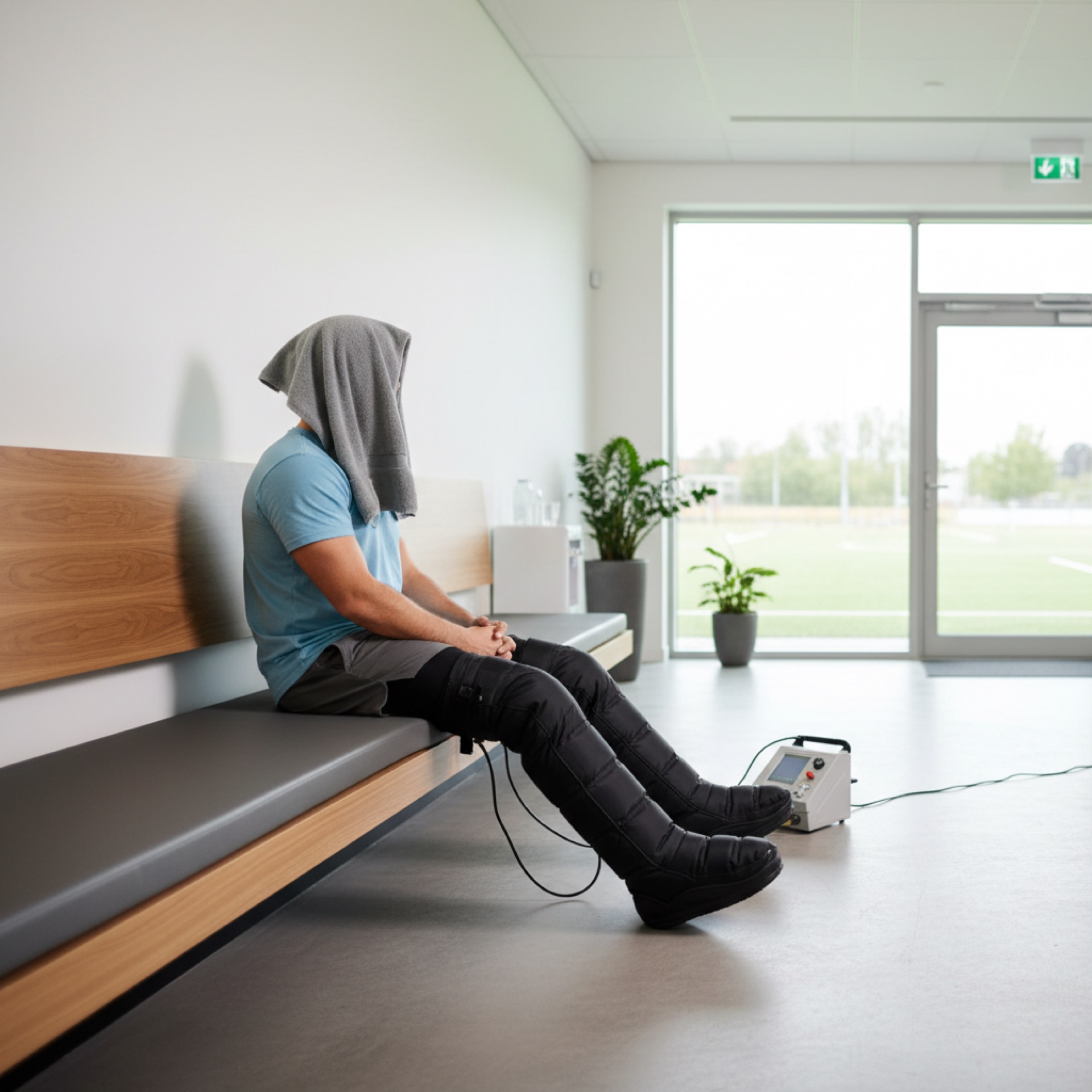
Best Compression Boots 2026: Compared Head-to-Head
We compared the top pneumatic compression boots for recovery: Normatec 3 and Therabody JetBoots Prime. Find the right fit for your recovery routine.
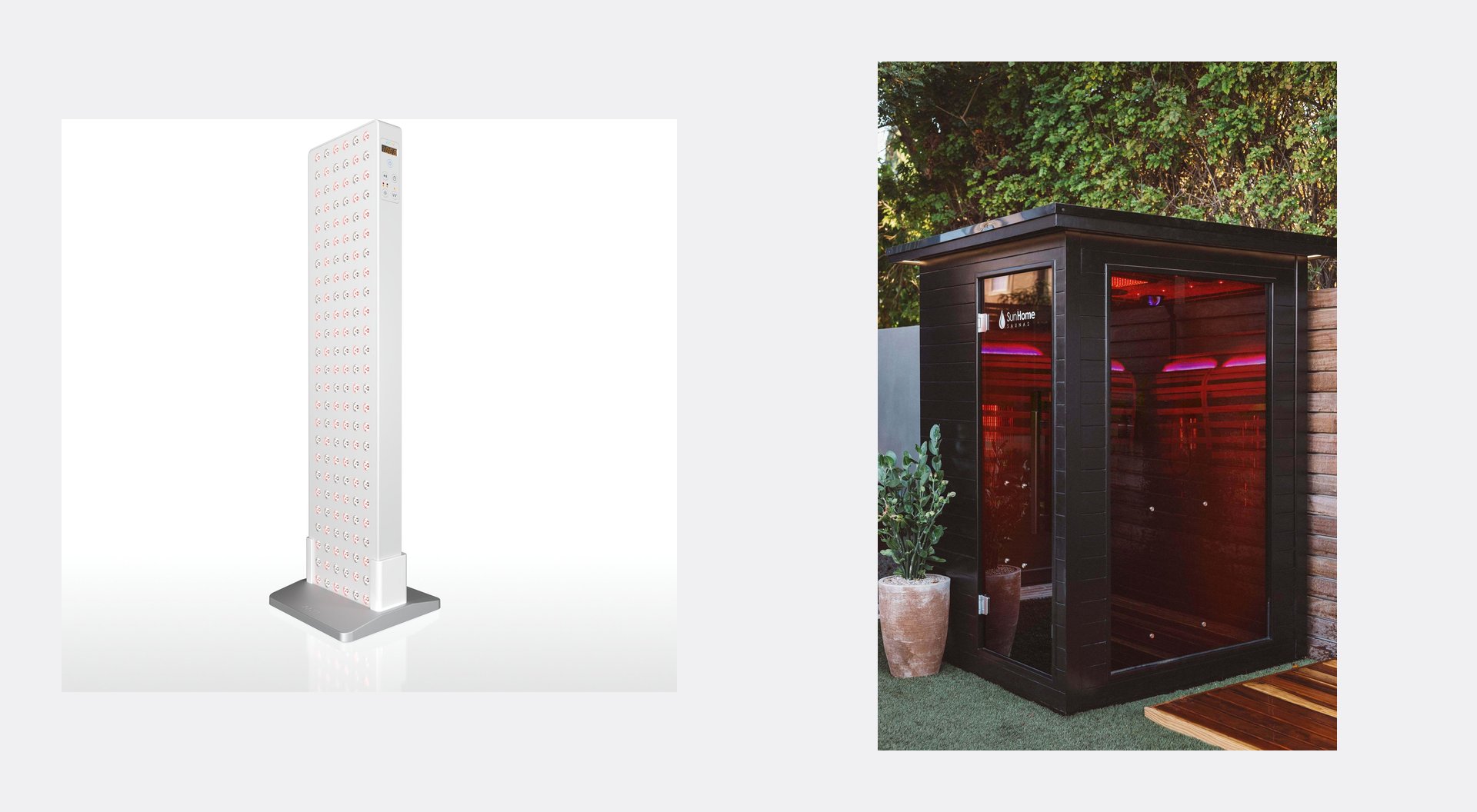
Red Light Therapy vs Infrared Sauna: Which One Should You Buy First?
A practical comparison of red light therapy panels and infrared saunas. We use the Joovv Solo 3.0 and Sun Home Luminar 2 as reference points and break down mechanism, benefits, cost, and who each tool fits best.