What Is Infrared Sauna Therapy? A Beginner's Guide
Learn how infrared saunas work, what benefits they offer, and how to choose the right one for your home.
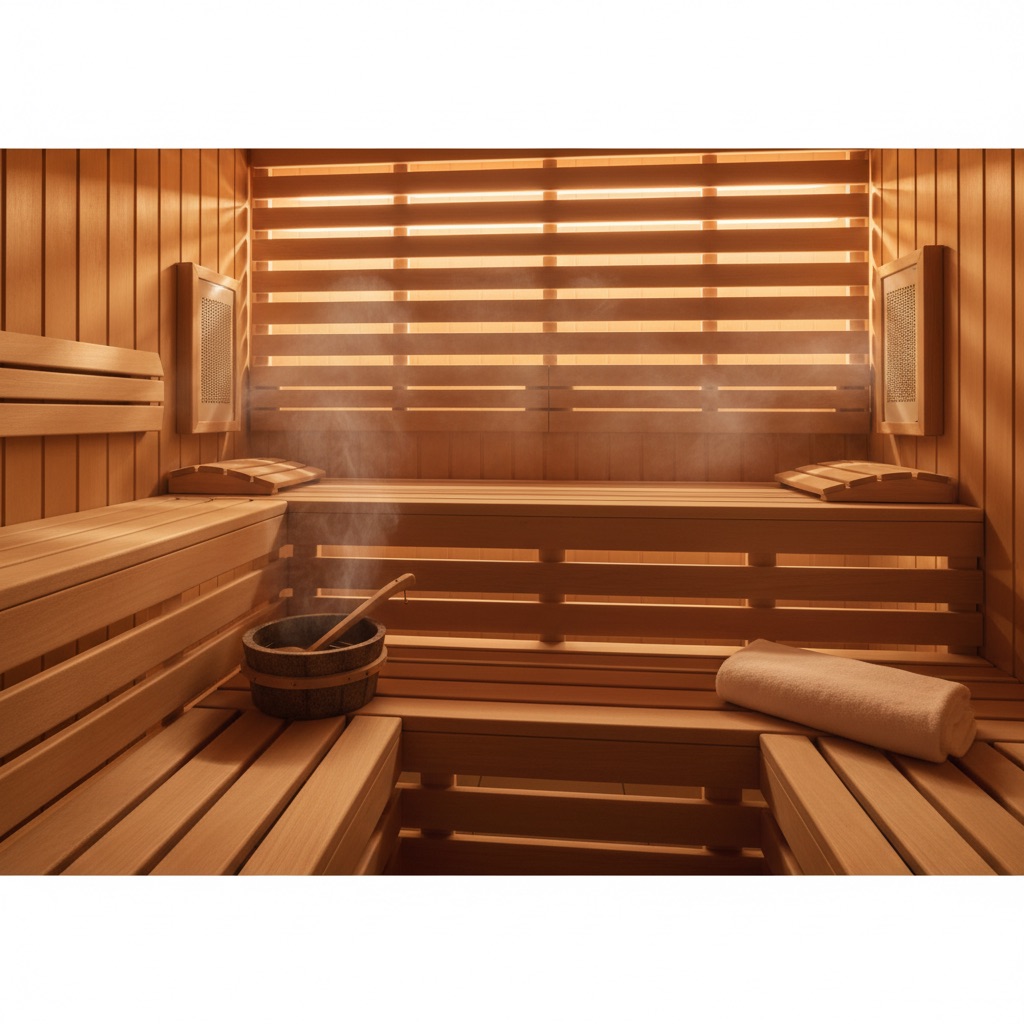
If you have spent time in Scandinavia, you know that sauna is not a wellness trend. It is woven into daily life. Finland has roughly 3 million saunas for 5.5 million people. In Norway and Sweden, communal bathing houses have operated for centuries. The ritual of sitting in dry heat, sweating deeply, and cooling down afterward is as ordinary as a morning coffee.
Infrared saunas are a modern take on this tradition. Instead of heating the air around you, they use infrared light to warm your body directly. The result is deep sweating at lower, more comfortable temperatures. The technology has been around since the 1960s, when a Japanese doctor began using infrared heating panels for therapeutic purposes, but home units only became widely available in the last 15-20 years.
If you have been curious about infrared saunas but are not sure where to start, this guide covers how they work, what the research says, and what to look for when buying one. We will also point you toward two solid starting options depending on your budget.
How Infrared Saunas Work
Traditional saunas heat the air inside the cabin to 180-200°F (82-93°C). Your body warms up because the surrounding air is extremely hot. Infrared saunas take a different approach. They use infrared light panels to heat your body directly, similar to the way sunlight warms your skin on a cool day. The air temperature stays much lower, typically between 120-150°F (49-66°C), but you still sweat heavily because the infrared energy penetrates into your tissue.
Think of it this way: on a cold winter day, you can feel the warmth of sunlight on your face even though the air around you is freezing. That warmth comes from infrared radiation in sunlight. Infrared saunas produce the same type of energy, focused and amplified through heating panels mounted on the walls and floor of the cabin.
There are three types of infrared wavelengths, and each reaches a different depth:
- Far-infrared (FIR): Wavelengths of 5.6-15 microns. This is the most common type used in infrared saunas. It penetrates about 1.5 inches into tissue and produces the deep sweating that most people associate with infrared therapy. The majority of infrared sauna research has been conducted using far-infrared.
- Mid-infrared (MIR): Wavelengths of 1.4-5.6 microns. Mid-infrared targets soft tissue, joints, and muscles. It falls between far and near infrared in terms of penetration depth.
- Near-infrared (NIR): Wavelengths of 0.7-1.4 microns. Near-infrared penetrates the deepest and overlaps with red light therapy wavelengths. Some studies suggest benefits for wound healing, collagen production, and inflammation.
Full-spectrum saunas combine all three types. Far-infrared-only saunas are more common and usually more affordable. Both are effective, just in slightly different ways.
The heating elements themselves are either carbon fiber panels or ceramic rods. Carbon panels distribute heat more evenly across a larger surface area, which most manufacturers now prefer. Ceramic heaters run hotter in concentrated spots but are less uniform. Most modern infrared saunas use carbon.
What a Session Feels Like
If you have only experienced traditional saunas, infrared feels noticeably different. You step into the cabin, and the air is warm but not oppressive. There is no steam, no blast of heat when you open the door. For the first 5-10 minutes, you might wonder if anything is happening.
Then the sweating starts. It builds gradually. By the 15-minute mark at 140°F, most people are sweating heavily from their core. The heat feels like it is coming from inside your body rather than from the air around you. Your heart rate rises, similar to a brisk walk. The experience is closer to lying in the sun on a hot day than sitting in a steam room.
Sessions typically last 20-45 minutes. Most people find 30 minutes to be the sweet spot. Afterward, there is a distinctive post-sauna feeling: a combination of deep relaxation and mild alertness that is difficult to describe but easy to recognize once you have experienced it.
Infrared vs Traditional Saunas
This is not a matter of one being better than the other. They are genuinely different experiences, and many sauna enthusiasts use both.
| Feature | Infrared Sauna | Traditional Sauna |
|---|---|---|
| Air temperature | 120-150°F (49-66°C) | 180-200°F (82-93°C) |
| How it heats | Infrared light warms the body directly | Hot air warms the body indirectly |
| Heat-up time | 15-20 minutes | 30-45 minutes |
| Session length | 20-45 minutes | 10-20 minutes |
| Humidity | Dry | Dry (Finnish) or humid (steam) |
| Installation | Plug-in, no special wiring for most models | Often requires 240V wiring and ventilation |
| Energy usage | 1.5-2.0 kW typical | 4.5-6.0 kW typical |
| Price range | $700 (blanket) to $7,400+ (cabin) | $3,000-$10,000+ |
Where infrared saunas have an edge: Lower operating temperatures make sessions more comfortable for people who find traditional saunas overwhelming. Heat-up time is shorter, so you can start a session more quickly. Energy costs are lower. Installation is simpler.
Where traditional saunas have an edge: Higher air temperatures produce a more intense experience. Steam saunas add humidity, which many people prefer. The cultural experience of a traditional Nordic sauna is difficult to replicate with infrared panels.
The overlap: Both produce heavy sweating. Both raise core body temperature. Both increase heart rate and blood flow. The physiological responses are similar even though the delivery mechanism is different. If your goal is to sweat deeply and relax, either type will work.
One practical note: many people who own infrared saunas at home also visit traditional saunas at gyms, spas, or public bathhouses. The two are complementary rather than competing. Your infrared sauna handles quick, convenient sessions during the week. A traditional sauna visit becomes a social or cultural experience on the weekend.
What the Research Shows
Infrared sauna research is growing but still relatively young compared to traditional sauna studies. Here is what the current evidence suggests:
Cardiovascular health: This is the area with the strongest evidence. A Finnish study following over 2,300 men for 20 years found that frequent sauna use (4-7 times per week) was associated with significantly lower risk of cardiovascular events. While this study used traditional saunas, the core mechanism (sustained heat exposure raising heart rate and dilating blood vessels) applies to infrared saunas as well. During a typical infrared sauna session, your heart rate increases to 100-140 bpm, providing a form of passive cardiovascular conditioning. Smaller studies using infrared saunas specifically have shown improvements in blood pressure and vascular function in people with heart failure risk factors.
Muscle recovery and pain relief: Infrared heat increases blood flow to muscles and joints, which may help reduce soreness after exercise. Several small studies have found that infrared sauna sessions after training can reduce delayed-onset muscle soreness (DOMS). The proposed mechanism is straightforward: increased blood flow delivers more oxygen and nutrients to damaged muscle fibers while carrying away metabolic waste products.
People with chronic pain conditions like fibromyalgia and rheumatoid arthritis have also reported improvements, though the evidence is preliminary. One small study from Japan found that chronic pain patients who used infrared sauna therapy daily for several weeks reported significant pain reduction. The results are encouraging but need to be replicated in larger trials.
Relaxation and stress reduction: This one is straightforward. Heat exposure activates the parasympathetic nervous system, which promotes relaxation. Most people report feeling calmer after a sauna session. Whether that comes from the heat itself or from spending 30 minutes sitting quietly without a phone is hard to separate, but the effect is consistent.
Cortisol levels (the body’s primary stress hormone) tend to decrease after sauna sessions, while endorphins increase. This combination creates the relaxed but alert state that regular sauna users often describe. For many people, the stress reduction benefit alone justifies the investment.
Detoxification: This is where claims get complicated. You do excrete trace amounts of heavy metals and other compounds through sweat, and infrared saunas produce a lot of sweat. However, the kidneys and liver handle the vast majority of detoxification in the body. Sweating out toxins is a real but minor pathway. Be cautious of brands that position infrared saunas primarily as “detox” devices. The benefits are real, but detoxification is not the primary mechanism.
Sleep: Some users report improved sleep quality when using an infrared sauna in the evening. The theory is that raising core body temperature before bed triggers a cooling response that promotes deeper sleep. This aligns with broader research on hot baths and sleep, though dedicated infrared sauna sleep studies are limited.
Skin health: Increased blood flow to the skin during and after sauna sessions delivers more oxygen and nutrients to the surface. Some users report improvements in skin clarity and tone over time. Near-infrared wavelengths in particular overlap with the spectrum used in red light therapy, which has more established research around collagen production. However, claiming that infrared saunas will transform your skin goes beyond what the evidence supports.
Heat shock proteins: Sustained heat exposure triggers the production of heat shock proteins (HSPs), which help repair damaged proteins in the body and protect cells from future stress. This is a well-established biological response to heat, regardless of whether the source is an infrared panel or a wood-fired stove. Some researchers believe that regular HSP activation through heat exposure may contribute to longevity benefits, though direct evidence in humans is still developing.
Important caveat: Many infrared sauna studies are small, short-term, or lack proper control groups. The results are promising, not conclusive. We share what the research suggests without overstating it.
Who Should Consider an Infrared Sauna
Athletes and active people: If you train regularly and want a passive recovery tool, infrared saunas fit well into a post-workout routine. The heat promotes blood flow, may reduce soreness, and provides a structured cool-down period.
People who find traditional saunas too intense: The lower operating temperatures of infrared saunas (120-150°F vs. 180-200°F) make sessions more manageable, especially for beginners or people sensitive to extreme heat.
Anyone looking for a relaxation routine: Sometimes the value is simply in having a dedicated space and time to sit quietly, sweat, and decompress. The consistency matters more than the specific modality.
Home users with limited space: Infrared sauna blankets require no installation at all, and smaller cabin models fit in a corner of a bedroom or garage. Traditional saunas generally need more space and dedicated electrical work.
People dealing with chronic pain: While the evidence is still preliminary, individuals with conditions like fibromyalgia, lower back pain, or joint stiffness often report that regular infrared sauna use provides temporary relief. The warmth increases circulation to affected areas and may reduce stiffness. This is not a replacement for medical treatment, but it can be a useful addition to a pain management routine.
Contrast therapy enthusiasts: If you already use cold plunging or cold showers, adding heat to the equation creates a more complete recovery cycle. The alternation between vasodilation (heat) and vasoconstriction (cold) drives blood flow in a way that neither modality achieves alone. Many of our readers start with cold exposure and discover that pairing it with infrared heat amplifies the benefits of both.
People looking for better sleep: If you struggle with falling asleep or staying asleep, evening sauna sessions may help. The rise in core body temperature followed by a natural cooldown period mimics the thermoregulation pattern that signals your body it is time to sleep. This is not a cure for insomnia, but it can be a useful tool in a broader sleep hygiene routine.
Who Should Avoid or Consult a Doctor First
- Pregnant women
- People with cardiovascular conditions or uncontrolled blood pressure
- Anyone taking medications that affect heat tolerance or sweating (including some blood pressure medications, diuretics, and antihistamines)
- People with acute fever or infection
- Children (should use only under close supervision at reduced temperatures)
When in doubt, check with your doctor before starting.
Choosing Between a Cabin and a Blanket
Before you shop for specific models, the first decision is form factor.
Cabin saunas ($7,400-$11,500+) are standalone enclosures that seat one or two people. They heat your entire body evenly, include a bench for sitting upright, and offer the most authentic sauna experience. Full-spectrum models add near-infrared wavelengths. The trade-off is that cabins need dedicated floor space (roughly 4x4 feet for a two-person model), some assembly (typically 1-2 hours with two people), and are a significant financial commitment. Most cabin saunas arrive in pre-assembled panels that click or bolt together. No electrician is needed for standard 120V models.
Sauna blankets (~$700) are portable, wrap around your body like a sleeping bag, and store in a closet. They use far-infrared only, and your head and arms stay outside. The sweating experience is real, but the form factor is obviously different from sitting upright in a cedar cabin. Blankets are ideal for renters, small apartments, or anyone who wants to try infrared therapy before investing in a cabin. They heat up faster than cabins (about 10 minutes) and use less electricity.
There is also a middle ground: portable sauna tents ($200-$400). These are collapsible enclosures with a built-in infrared heater, a folding chair, and a zippered opening for your head. They do not match the quality or experience of a proper cabin, but they offer more full-body coverage than a blanket at a lower price than a cabin.
If budget and space are not constraints, a cabin will give you the better long-term experience. If you want a low-commitment starting point, a blanket lets you find out whether you enjoy infrared therapy for a fraction of the cost.
Getting Started
If you have never used an infrared sauna, start conservatively and build up.
Your first sessions:
- Set the temperature to 120°F (49°C)
- Keep sessions to 15-20 minutes
- Bring a towel to sit on and one to wipe sweat
- Drink at least 16oz (500ml) of water before your session
- Exit immediately if you feel dizzy, nauseous, or lightheaded
Building up over 2-4 weeks:
- Gradually increase temperature to 135-150°F (57-66°C)
- Extend sessions to 25-35 minutes
- Aim for 2-4 sessions per week
- Add electrolytes (sodium, potassium, magnesium) to your water if you are using the sauna frequently
What to wear: Most people use their infrared sauna in minimal clothing or a towel. Loose-fitting, lightweight clothing works too. Avoid synthetic materials that trap heat uncomfortably. The key is keeping your skin as exposed as possible so the infrared energy can reach your body directly.
Post-session routine: After your session, sit or stand at room temperature for a few minutes before showering. Drink another 16oz of water. Some people like to follow up with a cold shower or even a cold plunge to close off blood vessels and create a contrast effect. This is optional but effective.
What to expect: Most people begin sweating heavily around the 10-15 minute mark, depending on temperature and individual tolerance. The sweat output from an infrared sauna can be substantial. After your session, you will likely feel relaxed and slightly fatigued. This is normal. Give yourself 10-15 minutes to cool down before showering.
Infrared saunas pair particularly well with cold exposure. The hot-cold cycle has been a cornerstone of Nordic wellness traditions for centuries. Vikings alternated between wood-fired saunas and icy rivers. Modern contrast therapy follows the same principle with better temperature control. Learn more in our contrast therapy protocol.
What to Look for When Buying
Choosing an infrared sauna involves several decisions beyond price. Here are the key factors:
EMF levels: This is arguably the most important specification. You sit inside the heating elements for extended periods, so low electromagnetic field (EMF) emissions matter. Look for saunas with ultra-low EMF certification, ideally under 3 milligauss (mG). The best models test below 1 mG.
Heater type: Carbon fiber heaters are the current standard. They distribute heat evenly and operate efficiently. Ceramic heaters are older technology. They get hotter in localized spots but provide less uniform coverage.
Infrared spectrum: Full-spectrum saunas (far + mid + near infrared) offer the widest range of wavelengths. Far-infrared-only saunas are effective and more affordable. If near-infrared benefits interest you, look for full-spectrum models.
Wood type: Canadian red cedar is the most popular choice. It is naturally anti-bacterial, handles moisture well, and has a pleasant aroma. Canadian hemlock is a solid alternative at a lower price point. Avoid saunas using plywood or composite materials.
Size and capacity: Consider where you will place it and how many people will use it. One-person saunas start around 3x3 feet. Two-person models need roughly 4x4 feet of floor space, plus room to open the door. Also think about ceiling height. Most cabin saunas are about 6 feet tall, so low basement ceilings can be a limiting factor. Measure your intended space before ordering.
Warranty: Pay attention to what is covered and for how long. Heater warranties vary widely, from 1 year to lifetime. Since the heaters are the most critical component, this matters. Also check what the warranty covers for the wood cabin itself, electrical components, and the control panel. A lifetime heater warranty does not help much if the rest of the unit is only covered for a year.
Certifications: Look for ETL or UL safety certifications. These confirm that the sauna meets electrical safety standards.
Form factor: Cabin saunas offer the most complete experience, with full-body coverage and seating for one or two people. Sauna blankets are a portable, affordable alternative that uses far-infrared only. Portable sauna tents fall somewhere in between. Each has trade-offs in terms of infrared coverage, convenience, and price. Think about how you will actually use it before deciding.
Electrical requirements: Most one-person and two-person infrared saunas run on a standard 120V household outlet. Larger models (three or four person) may require a dedicated 240V circuit. Check the manufacturer’s specifications before purchasing, especially if you plan to place the sauna in a garage or basement where outlet availability may be limited.
See our Best Infrared Saunas for Home 2026 for detailed comparisons across different price points and form factors.
Our Picks for Getting Started
If you are ready to try infrared sauna therapy, here are two options at different price levels. We review more models in our full infrared sauna comparison, but these two cover the most common starting points: a premium cabin for dedicated users and a portable blanket for those who want to try infrared with minimal commitment.
Premium Cabin: Sunlighten mPulse Aspire
The Sunlighten mPulse Aspire is a full-spectrum personal infrared sauna built with sustainably sourced eucalyptus. PulseIQ control delivers far, mid, and near infrared independently, plus red light, so the 6 preset wellness programs (Detox, Weight Loss, Heart Health, Relaxation, Muscle Recovery, Anti-Aging) each target a specific wavelength mix. Patented SoloCarbon® heaters keep EMF ultra-low, and the lifetime heater warranty reflects the build quality.
Sunlighten doesn’t publish list pricing on its site, but the Aspire typically starts around $6,500 depending on configuration. The 1-person cabin includes chromotherapy lighting, Bluetooth audio, and a built-in tablet for controls. Wi-Fi connectivity adds app control from your phone. Max temperature is 170°F.
If you know you want a personal cabin sauna and plan to use it multiple times per week, the Aspire is a buy-once option with wavelength-specific programs you won’t find on most cabins.
Budget Entry: HigherDOSE Infrared Sauna Blanket
Not ready for a full cabin? The HigherDOSE Sauna Blanket costs $699, needs no installation, and stores in a closet. It uses far-infrared heating with tourmaline and charcoal layers, reaching up to 158°F across 9 temperature settings. Your head and arms stay outside, so the experience is different from a cabin. But for testing whether infrared therapy works for you, it removes every practical barrier.
The blanket is especially popular with apartment dwellers and renters who cannot install a permanent cabin. Roll it out on a bed or couch, plug it in, and you are ready in about 10 minutes. When you are done, it folds up and stores under the bed or in a closet. A month of regular use will tell you whether upgrading to a cabin is worth it.
Frequently Asked Questions
How often should I use an infrared sauna?
Most people see benefits from 2-4 sessions per week. Daily use is fine for healthy adults who are well-hydrated and acclimatized. Start with 2-3 sessions per week and increase frequency based on how you feel.
Rest days are not strictly necessary, but listen to your body. If you feel overly fatigued or dehydrated despite drinking plenty of water, take a day off. Consistency over time matters more than maximizing frequency in any given week.
Is infrared radiation safe?
Yes. Infrared light is part of the natural electromagnetic spectrum. It is the same type of energy your body emits as heat. Infrared saunas do not produce UV radiation, which is the type associated with skin damage and cancer risk. The word “radiation” sometimes causes concern, but infrared radiation is simply heat energy. Every warm object emits it, including your own body.
The primary safety considerations are hydration, session length, and pre-existing health conditions. The one specification worth paying attention to is EMF (electromagnetic field) levels. Quality infrared saunas are designed with ultra-low EMF output, typically below 3 milligauss. Look for models that publish their EMF testing results.
How much does it cost to run an infrared sauna?
A typical 2-person infrared sauna draws 1.5-2.0 kW. At average US electricity rates (~$0.16/kWh), a 45-minute session costs roughly $0.20-0.25. Even daily use adds less than $10 per month to your power bill. This is significantly less than a traditional sauna, which draws 4.5-6.0 kW.
Can I build a DIY infrared sauna?
It is possible, but we do not recommend it for most people. Proper EMF shielding, heater placement, and electrical safety require careful engineering. A poorly built DIY sauna may have high EMF levels, uneven heating, or fire risk. Pre-built saunas from reputable manufacturers are tested and certified for safety. The price difference between a quality DIY build and an entry-level pre-built unit is often small enough that the convenience and safety of a manufactured product makes more sense.
How long before I notice benefits?
Most people feel immediate effects after their first session: relaxation, mild fatigue, and a sense of calm. For longer-term benefits like improved sleep, reduced muscle soreness, or cardiovascular improvements, consistent use over 4-8 weeks is typically needed. As with most recovery practices, the benefits are cumulative. The key is regularity. Three sessions per week over two months will tell you more than ten sessions crammed into a single week.
Do I need to preheat the sauna before getting in?
You can step into an infrared sauna while it is still warming up. Unlike traditional saunas, where you need the air to reach full temperature before entering, infrared panels begin heating your body as soon as they are turned on. Many people start their session during the warm-up phase and benefit from the gradually increasing temperature. Most infrared saunas reach operating temperature in 15-20 minutes.
Can I use my phone or read inside the sauna?
You can, though many people find that the sauna works best as a screen-free zone. The heat and quiet make it a natural time for breathing exercises, meditation, or simply sitting with your thoughts. If you do bring a device, keep in mind that electronics can overheat in sustained temperatures above 130°F. Some cabin saunas include Bluetooth speakers so you can listen to music or podcasts from a device kept outside the cabin.
Should I sauna before or after a workout?
Both approaches work, but they serve different purposes. A short pre-workout session (10-15 minutes at a moderate temperature) can warm up muscles and increase flexibility. A post-workout session (20-30 minutes) focuses on recovery by increasing blood flow to tired muscles and promoting relaxation.
Most people prefer post-workout sessions for recovery benefits. If you are combining sauna with cold exposure, a post-workout sequence of sauna followed by cold plunge is the most popular approach. One thing to keep in mind: if your primary goal is building muscle, some research suggests that cold immersion immediately after strength training may blunt the muscle-building response. In that case, saving the sauna and cold plunge for a separate session or a rest day may be more effective.
Related Articles
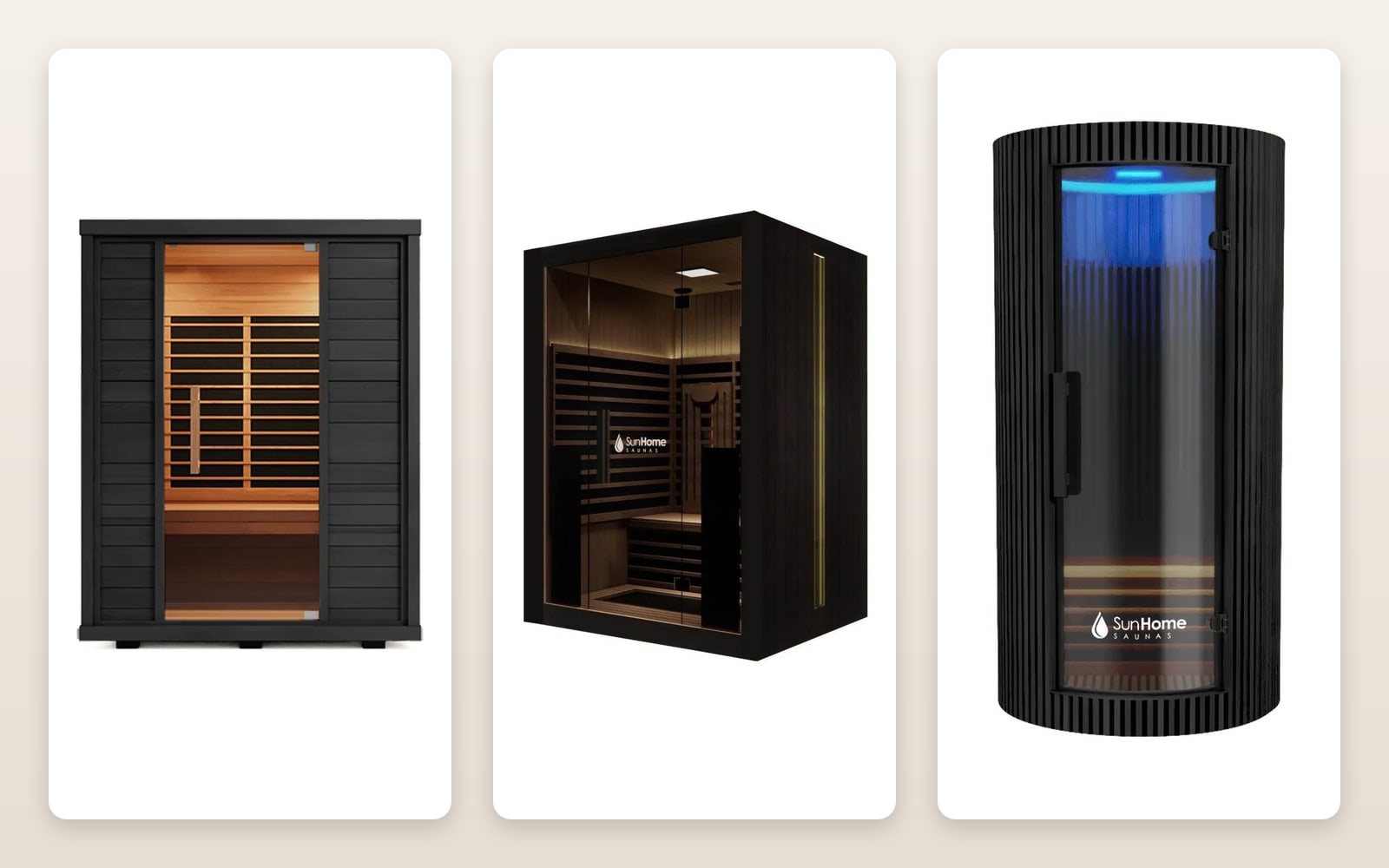
Best Home Saunas 2026: Top Infrared Saunas Compared
We compare eight infrared saunas for home use, from a $2,099 budget cabin to full-spectrum and outdoor-rated models with built-in red light therapy.
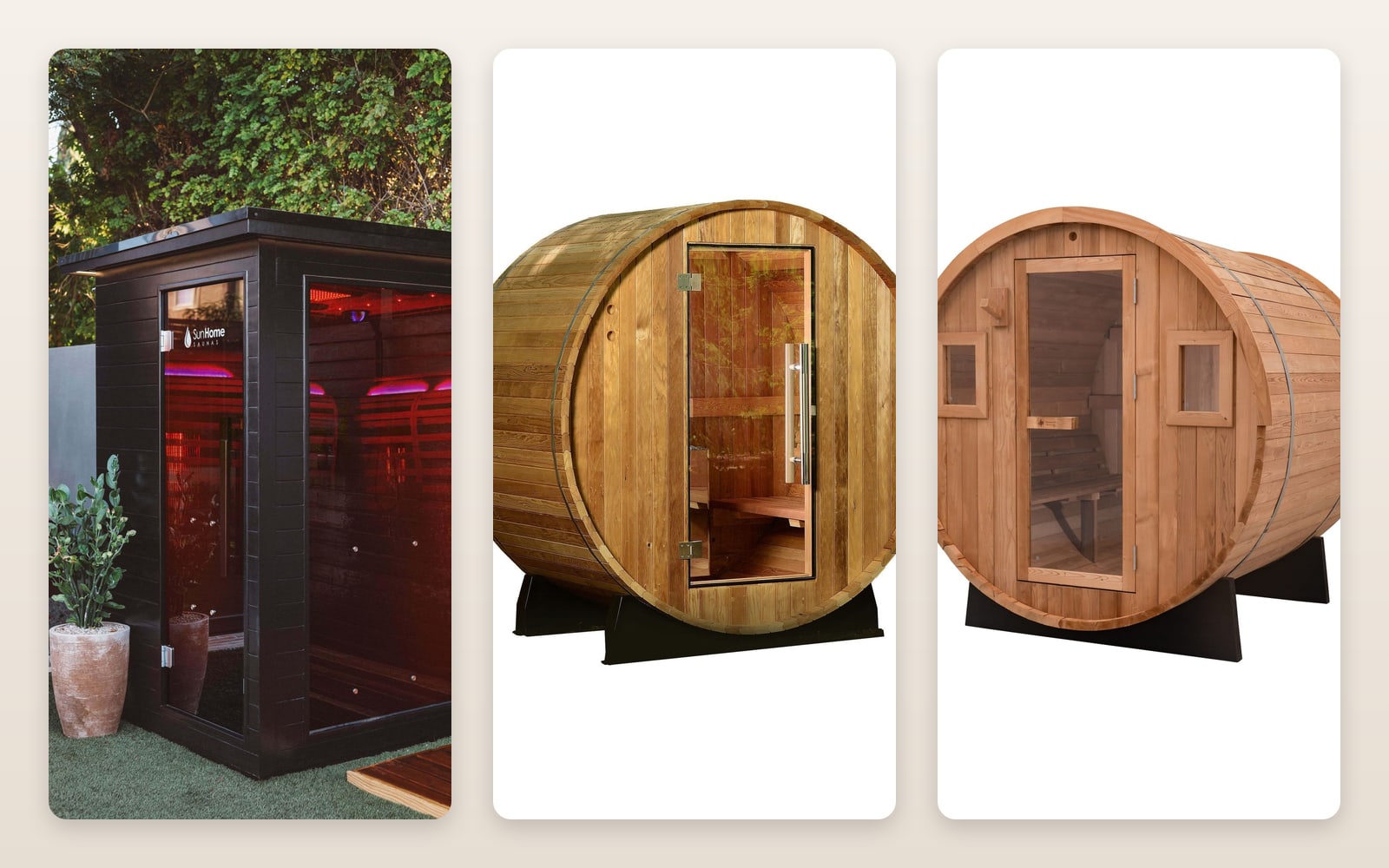
Best Outdoor Saunas 2026: Infrared and Traditional Compared
We compare five outdoor saunas for backyards, terraces, and gardens: full-spectrum infrared cabins from Sun Home and traditional Harvia-heated barrel and cabin saunas from Almost Heaven and Redwood Outdoors.
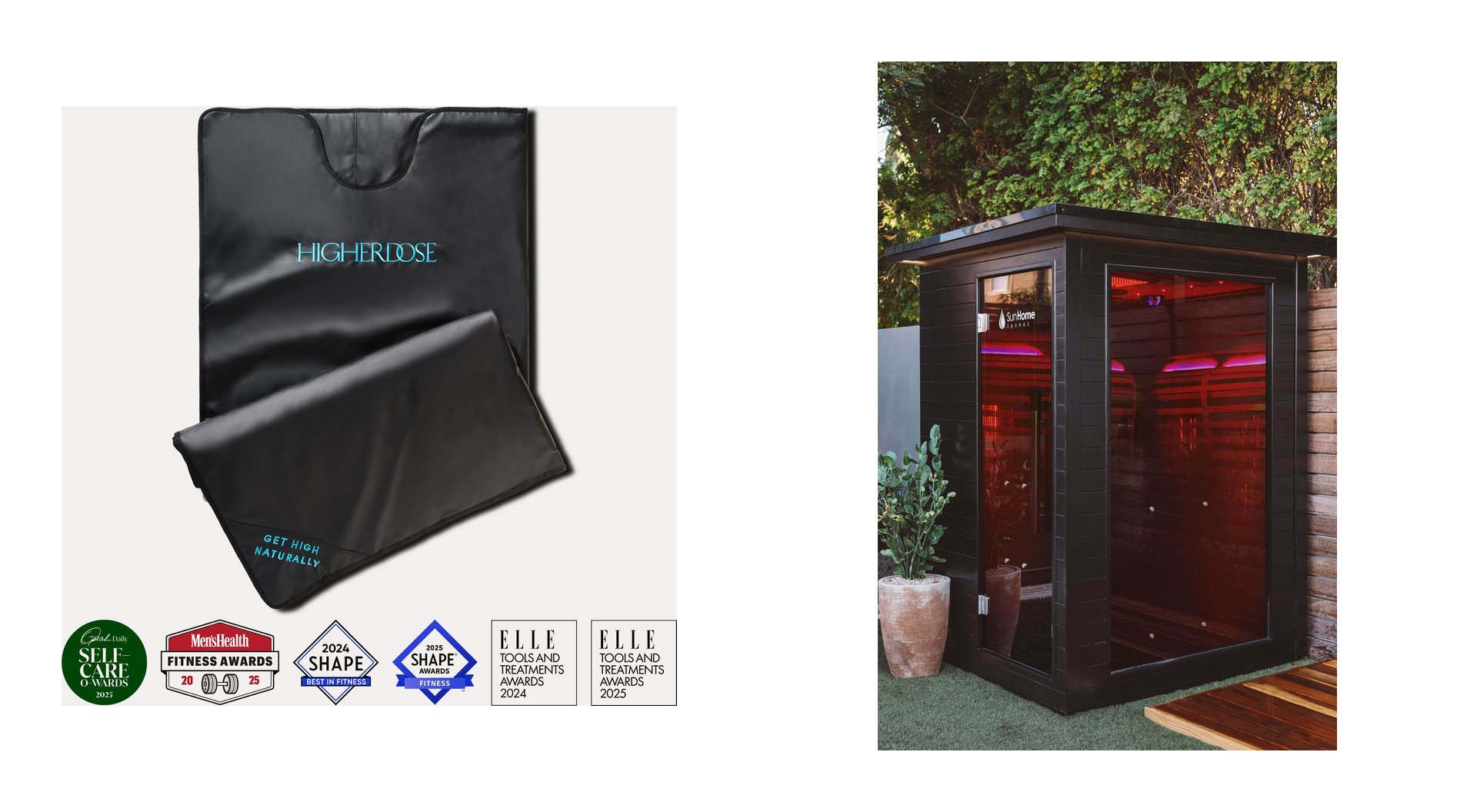
Sauna Blanket vs Cabin: Which One Should You Actually Buy?
A practical comparison of infrared sauna blankets and cabin saunas. We use the HigherDOSE Sauna Blanket and Sun Home Luminar 2 as reference points and break down price, space, experience, and who each form factor fits best.