Best Cold Plunge Tubs 2026: Compared Head-to-Head
We compare the best cold plunge tubs for home use, from premium chillers to budget ice baths. Find the right cold plunge for your routine.
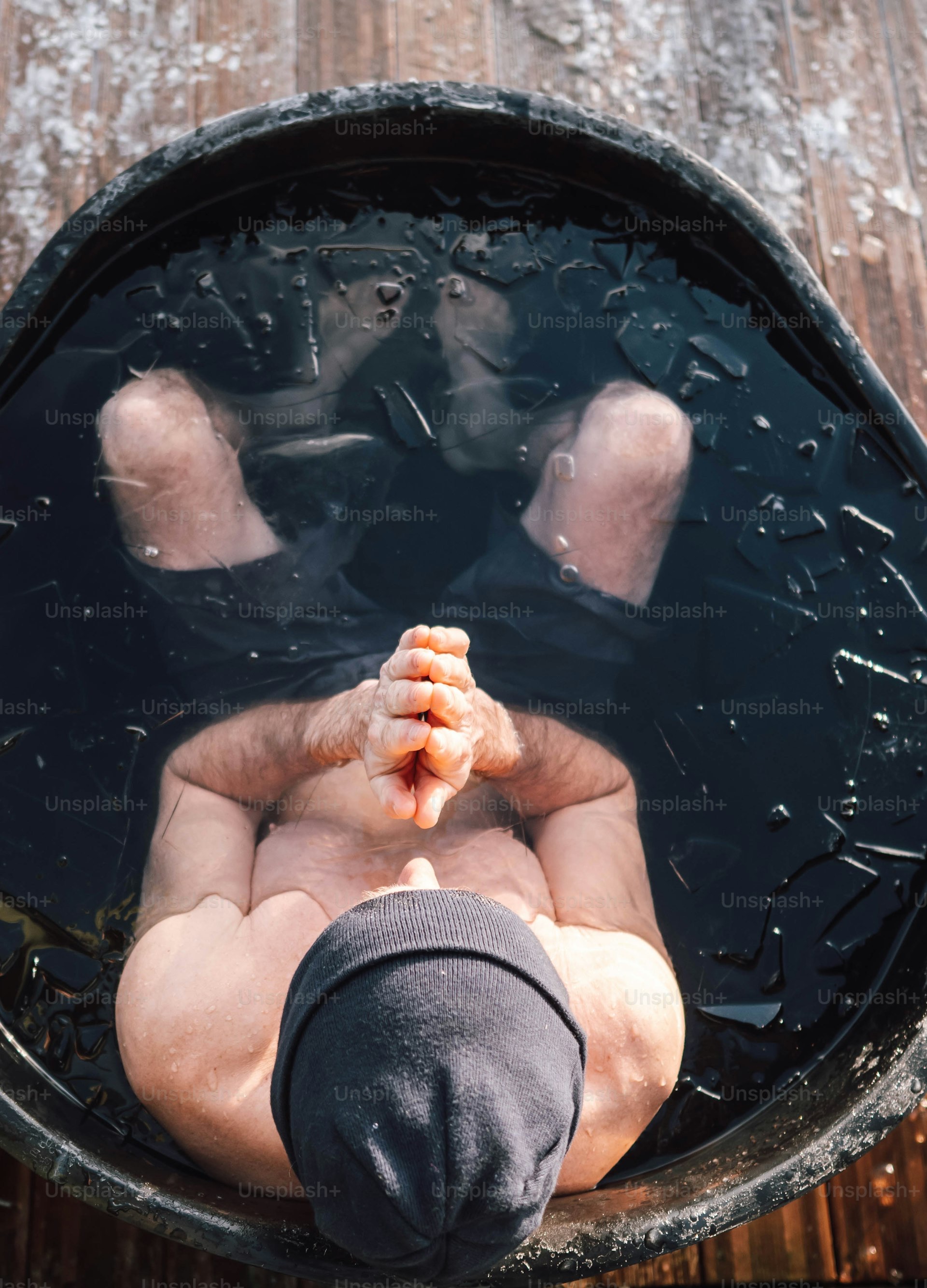
Best overall: Plunge All-In. Powerful built-in chiller, holds 39°F all summer, ozone filtration that keeps the water clean for months, and plug-and-plunge setup with no plumbing required.
Top 3 picks for 2026:
- Plunge All-In (Plunge, $7,990): best overall, integrated chiller plus ozone filtration with no daily ice work needed
- Sun Home Cold Plunge Pro (Sun Home Saunas, $13,999): best premium, chills to 28°F, 150 gallon capacity, three-stage sanitation, no assembly
- Ice Barrel 300 (Ice Barrel, $1,150): best budget, simple unheated upright barrel for cold-only use, no chiller required
From Viking-era ice bathing to today’s purpose-built cold plunge tubs, cold water has been used for recovery for centuries. There are now dedicated cold plunge tubs for home use at every price point.
But the market ranges from $100 inflatable tubs to $10,000+ commercial units. We looked at three of the most popular options across different approaches: two chiller-equipped tubs at different price points and a simple, elegant no-electricity option.
New to cold plunging? Start with our beginner’s guide to cold plunge therapy for safety tips and how to build up your cold tolerance. For a head-to-head breakdown of our top two picks, see Plunge All-In vs Ice Barrel 300.
Who This Guide Is For
- You’re interested in cold water immersion for post-workout recovery or mental clarity
- You want to move beyond cold showers to full-body immersion
- You’re building a contrast therapy routine (cold plunge + sauna)
- You’re deciding whether a chiller unit is worth the investment, or whether manual ice is enough
The Big Decision: Chiller or Ice?
This is the most important choice you’ll make, and it comes down to convenience vs. cost.
Chiller units ($5,000-$10,000+) maintain your set temperature automatically. You lift the cover, step in, and the water is always cold. Ozone filtration keeps the water clean for months. The high upfront cost pays off through zero daily effort, which is why chiller owners tend to stick with the habit longer.
Manual ice setups ($200-$1,800) are dramatically cheaper. You add bags of ice before each session, or rely on cold ambient temperatures in winter. Budget $5-15 per session for ice, or invest in a chest freezer to make your own. The trade-off is real friction: buying ice, waiting for it to cool, and changing the water regularly.
If consistency matters to you, a chiller removes the barriers that cause many people to quit after a few weeks. If you’re still exploring whether cold plunging is for you, a manual setup lets you find out at a fraction of the cost.
Comparison
| Feature | Plunge All-In | Sun Home Cold Plunge Pro | Ice Barrel 300 |
|---|---|---|---|
| Cooling method | Built-in chiller | Built-in chiller (1 HP) | Manual ice |
| Temperature range | 37-60°F | 28°F to ambient | Depends on ice |
| Temperature control | WiFi app, precise | WiFi app, precise | Approximate |
| Capacity | 105 gallons | 150 gallons | 77 gallons |
| Fits height up to | 6'9" | Not specified | 6'2" |
| Filtration | Ozone + filter | Ozone + UV + filter | Manual water changes |
| Requires electricity | |||
| Insulated | |||
| Position | Reclined/seated | Reclined/seated | Upright/seated |
| Ongoing cost | Electricity only | Electricity + filters | $5-15/session (ice) |
| Warranty | 2 years | 1 year (extendable) | Limited lifetime |
| Price | $7,990 | $13,999 | ~$1,150 |
Detailed Reviews
1. Plunge All-In - Best Overall Cold Plunge
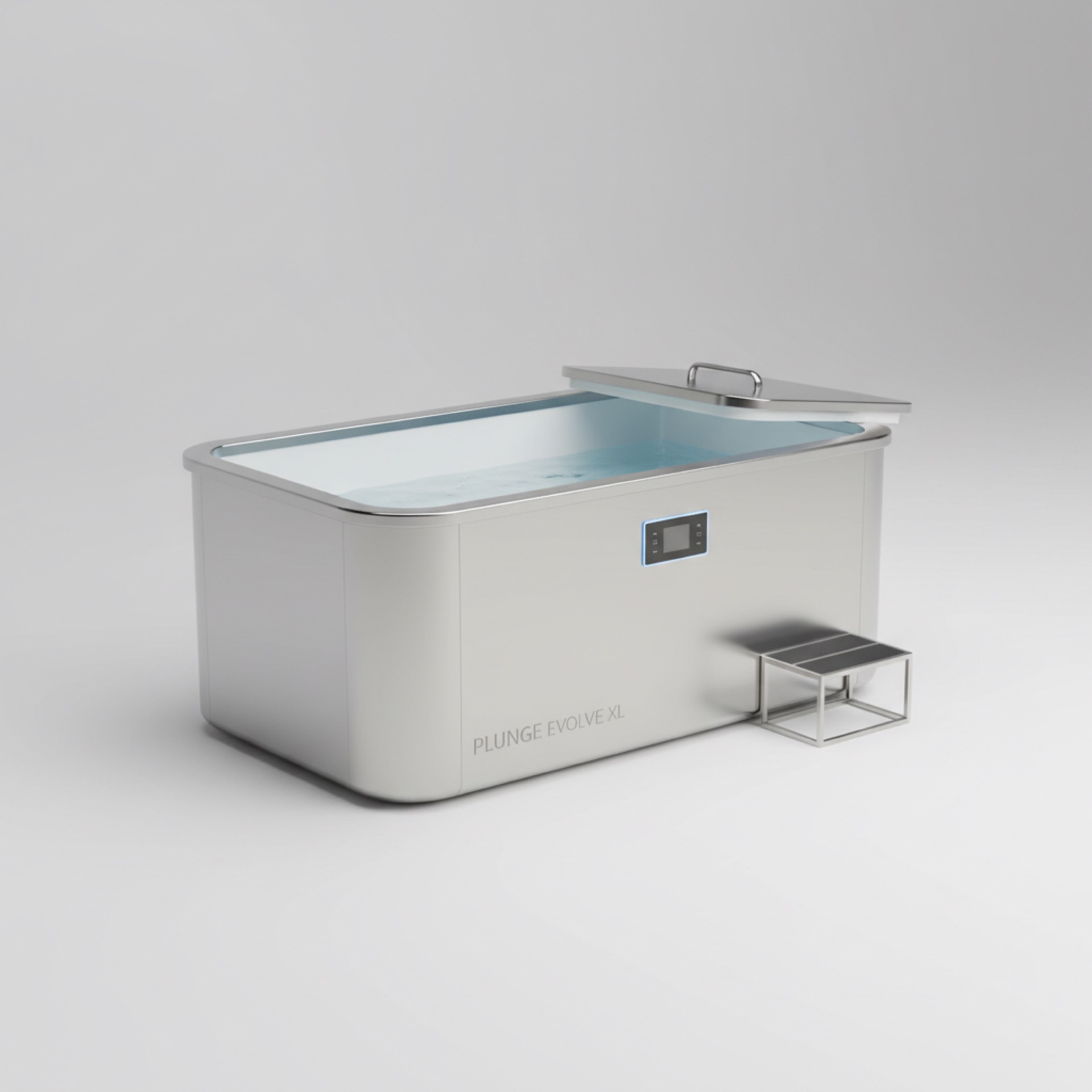
Plunge All-In
$7,990
Pros
- Built-in chiller maintains exact temperature (37-60°F)
- XL size fits users up to 6'9"
- Ozone + filtration keeps water clean for months
- WiFi app control: set temp before you get home
- Insulated, minimal energy use once at temperature
- Attractive design that doesn't look like a utility tub
Cons
- Expensive, significant investment
- Requires outdoor GFCI outlet or indoor setup
- Heavy when filled (about 1,150 lbs with water)
- Chiller compressor makes noise during cooling cycles
The Plunge All-In has a built-in chiller that cools water down to 37°F and holds it there indefinitely. In practice, that means zero ice runs and zero prep. You set your target temperature, and the tub handles the rest. The WiFi app adds another layer of convenience. You can lower the temperature from your phone before a morning session or raise it slightly when you’re just starting out.
Water maintenance is minimal too. The ozone sanitation system keeps water clean without harsh chemicals, so you’re not draining and refilling constantly. Lift the insulated cover, step in, and the water is exactly where you want it. The XL size is spacious enough that users up to 6’9” can fully submerge to the neck without feeling cramped.
The price is steep at roughly $7,990. But for anyone who wants cold plunging as a daily habit, it removes the practical barriers that cause many people to quit after a few weeks.
2. Sun Home Cold Plunge Pro - Best Premium Cold Plunge
Disclosure: We may earn an affiliate commission if you buy through links on this page. Sun Home Saunas is also a sponsor of our coverage, including this guide. All assessments and rankings are our own, based on the same research process we use for every product.
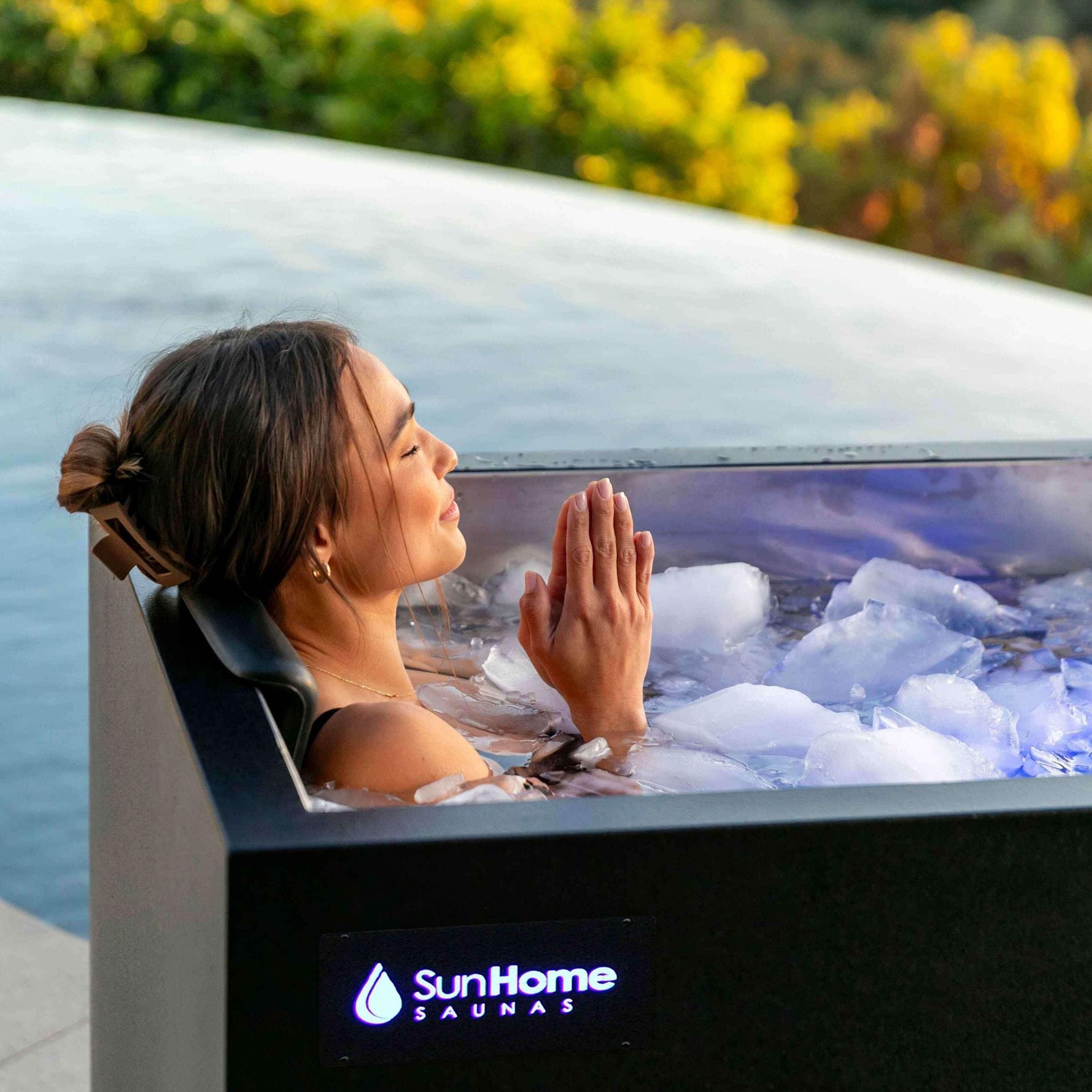
Sun Home Cold Plunge Pro
$13,999
Pros
- Chills down to 28°F, colder than any other tub in this guide
- 150 gallon capacity, the largest of our picks
- Three-stage sanitation: ozone injection, UV chamber, 20 micron sediment filter
- No plumbing or assembly, runs on a standard 120V outlet
- WiFi app control for temperature and scheduling
- Rated for both indoor and outdoor use with a rust-resistant exterior coating
Cons
- At $13,999, nearly double the price of the Plunge All-In
- Cooling only, no heating mode for warmer contrast sessions
- Standard warranty is just 1 year, longer coverage costs extra
- Sediment filter needs replacing every 2 to 4 weeks
The Sun Home Cold Plunge Pro is the most capable tub we compared. Its 1 HP chiller takes water all the way down to 28°F, below freezing, which is colder than most people will ever want and well past the 37°F floor of the Plunge All-In. The 150 gallon capacity is also the largest here, so bigger users get full-torso immersion without water displacement problems. Like the Plunge, it arrives ready to use: no plumbing, no assembly, just fill it, plug it into a standard 120V outlet, and set your temperature from the WiFi app.
Water care is where it stands out most. A three-stage sanitation system runs ozone injection, a UV sterilization chamber, and a 20 micron sediment filter automatically, so the water stays clean with less manual attention than a single-method system. The trade-off is a consumable: Sun Home recommends replacing the sediment filter every 2 to 4 weeks, which adds a small recurring cost. The unit is built for indoor or outdoor placement, with a UV and rust-resistant exterior coating.
At $13,999 it costs nearly twice as much as the Plunge All-In, and for most people that gap is hard to justify. The Plunge covers the temperature range research actually supports and remains our overall pick. The Sun Home is the choice if you want the coldest water, the biggest tub, and the most hands-off water maintenance, and the price is not the deciding factor. One honest caveat: the standard warranty is only 1 year, with 3 and 5-year options sold separately, which is thin for a unit at this price.
3. Ice Barrel 300 - Best Without Electricity
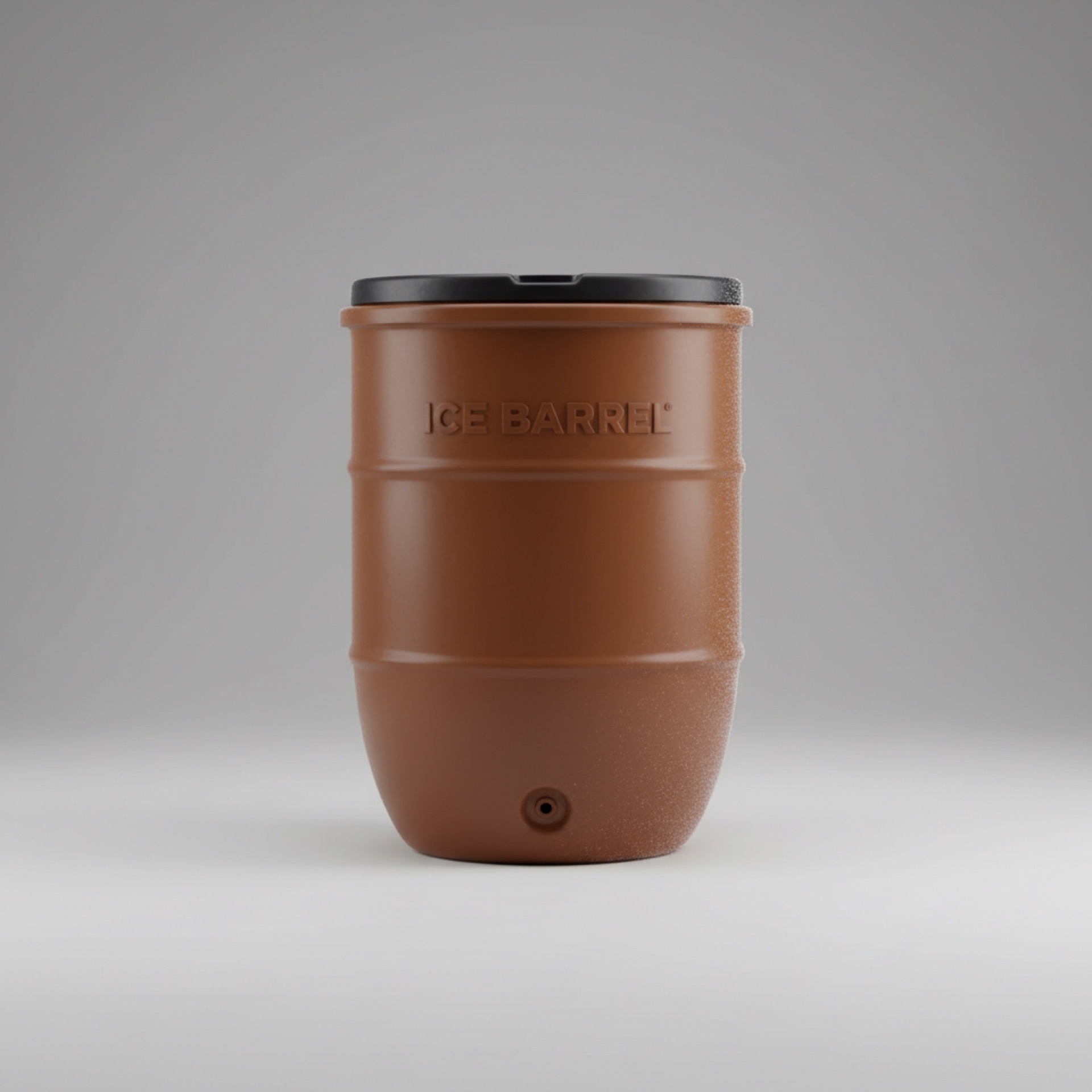
Ice Barrel 300
~$1,150
Pros
- No electricity needed, works anywhere
- Upright barrel design uses less water and ice
- Double-wall insulation holds temperature well
- Compact footprint, fits on any patio or deck
- Durable rotomolded construction
- Much cheaper than chiller units
Cons
- Requires manual ice addition for each session
- Upright position, can't fully recline
- Water needs changing every 1-2 weeks without sanitation
- Ice costs add up over time ($5-15 per session)
- Temperature is less precise than chiller units
No compressor, no electricity, no moving parts. The Ice Barrel 300 is a rotomolded, double-wall insulated barrel that you fill with water and ice. That simplicity is the whole appeal. You can put it on a patio, a deck, or in a garage, and it works the moment you add ice. No outlet required, no wiring, no noise.
The upright barrel shape turns out to be surprisingly practical. You sit with your knees slightly bent, and the water reaches your chest without needing a huge volume. Less water also means less ice to cool it down. The insulation holds temperature for 2-3 days in moderate climates, so you’re not buying ice for every single session. Dump a bag or two in, wait 10-15 minutes, and climb in.
At roughly $1,150, the Ice Barrel 300 costs a fraction of any chiller unit. You do trade convenience for that savings. Ice runs, occasional water changes, and less precise temperature control are part of the deal. For many people, that hands-on ritual becomes part of the practice itself.
The ice math: A 20 lb bag of ice costs $3-5 at most grocery stores. You’ll need 40-60 lbs to bring 80 gallons of water to ~50°F, depending on starting temperature. Budget $5-15 per session, or invest in a chest freezer to make your own ice.
What to Look For
When evaluating any cold plunge tub, these are the specs that matter most:
- Temperature range: Most research uses 50-59°F (10-15°C). Experienced plungers go as low as 37-40°F (3-4°C)
- Capacity: You want enough water to fully submerge your torso. At minimum, 75+ gallons
- Insulation: Critical if you’re using ice or an outdoor setup. Double-wall insulation keeps water cold longer
- Filtration: Chiller units include filtration to keep water clean. Non-chiller tubs need manual water changes
- Material: 304 stainless steel is premium. Rotomolded plastic is durable and affordable. Avoid thin inflatable PVC for long-term use
Your First Session
If you’ve never tried cold water immersion, start with cold showers. End your normal shower with 30 seconds of cold water and build up to 1-2 minutes over a couple of weeks. This gets your body used to the cold shock response.
When you’re ready for full immersion, start with water around 60°F (15°C) for 2 minutes. The first 30 seconds are the hardest. Your body’s gasp reflex kicks in and your breathing speeds up. Focus on slow nasal breathing: in through the nose for 4 seconds, out through the mouth for 6 seconds. After about a minute, the initial shock passes.
Over the following weeks, gradually lower the temperature and extend your time. Most people settle around 50°F (10°C) for 3-5 minutes. There’s little benefit to going beyond 10 minutes.
A few safety essentials: never plunge alone as a beginner, skip alcohol beforehand, and exit immediately if you feel dizzy or your extremities go numb. Warm up gradually afterward with movement and a warm drink, not a hot shower.
Frequently Asked Questions
How cold should the water be?
For most benefits, 50-59°F (10-15°C) is the research-backed sweet spot. Advanced users go to 37-45°F (3-7°C). Below 37°F is unnecessary for most people and increases risk.
How long should I stay in?
2-5 minutes is effective for most people at 50°F. Research shows diminishing returns beyond 10 minutes. A short, cold plunge beats a long, lukewarm one.
Cold plunge vs. cold shower - is there a difference?
Yes. Full immersion produces a stronger physiological response because more skin surface area is exposed to cold simultaneously. Cold showers are a great starting point, but they don’t match the hormone and inflammation response of full immersion.
Should I cold plunge before or after a workout?
For recovery: Plunge 1-4 hours after training. Avoid immediately after strength training if muscle growth is your primary goal, as the anti-inflammatory effect can blunt the muscle-building signal.
For energy/focus: Plunge in the morning or before training. The norepinephrine and dopamine boost is an excellent pre-workout stimulus.
Our Verdict
If budget allows, the Plunge All-In is the best option available. The built-in chiller, filtration, and app control remove all the practical hassle that causes many people to stop cold plunging.
If you want the coldest water and the largest tub and the price does not faze you, the Sun Home Cold Plunge Pro at $13,999 goes further on every spec, though the Plunge covers what most people need at nearly half the cost.
For a more accessible entry point, the Ice Barrel 300 at $1,150 is the best non-electric option. The upright design is space-efficient and the insulation works well. You’ll need to add ice, but that ritual becomes part of the practice for many people.
Cold plunging delivers the best results when combined with heat exposure. Pair your cold plunge with an infrared sauna for the classic Nordic contrast therapy approach. Our contrast therapy protocol covers the full routine. For post-plunge muscle recovery, compression boots help flush metabolic waste from your legs.
Related Articles
Cold Plunge Routine for Beginners: Your First 4 Weeks
A week-by-week cold plunge protocol for beginners. Covers temperature, duration, breathing, timing, and how to build a sustainable routine based on research.
Plunge All-In vs Ice Barrel 300: Chiller vs Manual Ice Compared
A detailed comparison of the Plunge All-In and Ice Barrel 300. We break down cooling, temperature control, maintenance, total cost, and who each cold plunge is best for.
What Is Cold Plunge Therapy? A Beginner's Guide
Everything you need to know about cold water immersion: the benefits, the risks, and how to start safely.